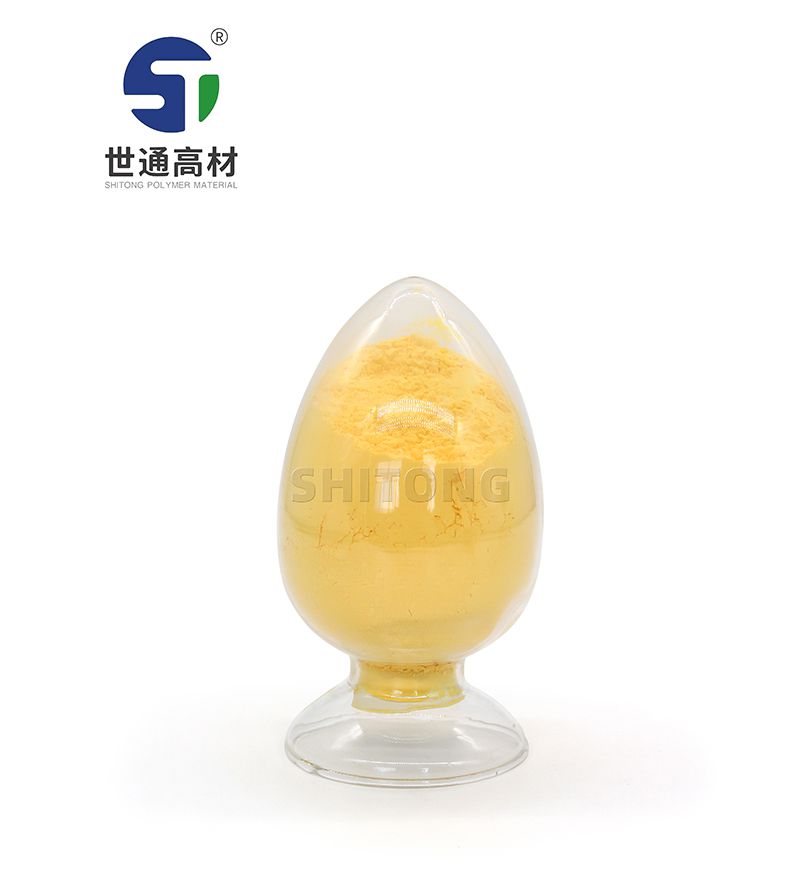
Stabilizers are essential additives in the formulation of plastics, primarily used to prevent degradation from heat and light exposure. Calcium zinc and lead stabilizers are among the most common types, each having unique properties and applications.
Calcium zinc stabilizers are favored for their non-toxic properties, while lead stabilizers are known for their effectiveness but carry health risks. Understanding these differences is crucial for making informed purchasing decisions.
| Parameter | Calcium Zinc Stabilizers | Lead Stabilizers |
|---|---|---|
| Toxicity | Non-toxic | Toxic |
| Cost | Moderate | Low |
| Stability | High | Very High |
| Discoloration Control | Effective | Highly Effective |
Calcium zinc stabilizers generally provide solid stability during the processing of plastics. Users report longer-lasting performance in the final products, while lead stabilizers, despite lower costs, may result in quicker degradation in certain applications due to toxicity concerns.
In field tests, products using calcium zinc stabilizers show less discoloration over time compared to those using lead materials. This makes calcium zinc a better choice for applications where longevity and visual integrity are important.
Manufacturers focused on safety and environmental compliance should opt for calcium zinc stabilizers. Ideal applications include toys, food packaging, and consumer products.
Industries where cost is a significant concern and safety regulations are less stringent might find lead stabilizers appealing. Suitable applications include construction materials and automotive parts; however, caution is advised due to toxicity risks.
Both calcium zinc and lead stabilizers offer unique benefits and drawbacks. Calcium zinc stabilizers represent a promising alternative to traditional lead options, especially as environmental and health regulations tighten. At Shitong, we prioritize providing superior calcium zinc stabilizers. For more information, visit us at our website.
Hot Product
We are seeking reliable and trustworthy partners to grow our business together and establish long-term relationships. Feel free to contact us to explore partnership opportunities.