


Can foaming agents for plastics be used in rubber compounding? This question often arises among manufacturers and engineers. Foaming agents are typically used to reduce the density of plastics and improve flexibility. However, their application in rubber products is less understood. Foaming agents can make materials lighter and more efficient. Understanding the impact of these agents on rubber compounds is essential for optimizing material properties.
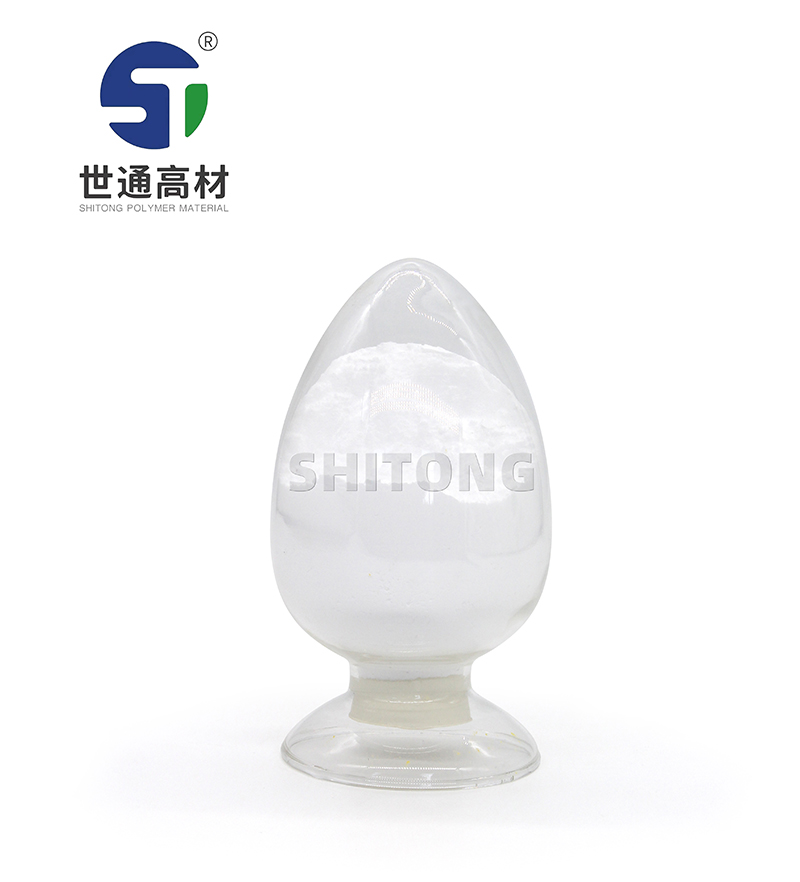
Foaming agents for plastics can be used in rubber compounding, but their effects on the final product depend on the formulation and process used.
Foaming agents are substances that create a cellular structure within materials. This leads to a lighter and more flexible end product. Common foaming agents include chemical and physical types, which work in different ways.
Incorporating foaming agents into rubber compounding has potential advantages:
Not all foaming agents work well with rubber. Key factors influencing compatibility include:
Industries that benefit from foamed rubber include automotive, footwear, and insulation. Foamed rubber can absorb shocks and provide thermal insulation.
In conclusion, foaming agents for plastics can be effectively used in rubber compounding to enhance material properties. Understanding their compatibility and effects is crucial for successful application. This exploration into foaming agents indicates their potential to improve both efficiency and performance in rubber products.
Foaming agents are typically categorized into chemical foaming agents and physical foaming agents.
No, the compatibility of foaming agents depends on the specific type of rubber and formulation.
Common industries include automotive, construction, and footwear, where lightweight and insulating materials are essential.
Foaming agents can enhance elasticity, reduce weight, and improve shock absorption properties in rubber products.
Using incompatible foaming agents can lead to poor material performance and structural integrity.
Hot Product
We are seeking reliable and trustworthy partners to grow our business together and establish long-term relationships. Feel free to contact us to explore partnership opportunities.


