


Uneven foaming in rubber vulcanization is a common issue faced in the manufacturing process. This problem can affect the quality and performance of rubber products. The rubber blowing agent plays a crucial role in creating foam that provides the desired properties. However, many factors can lead to uneven distribution of foam. Understanding these can help manufacturers improve their processes and products. Factors such as ingredient quality, mixing techniques, and even temperature control can significantly impact foaming results. 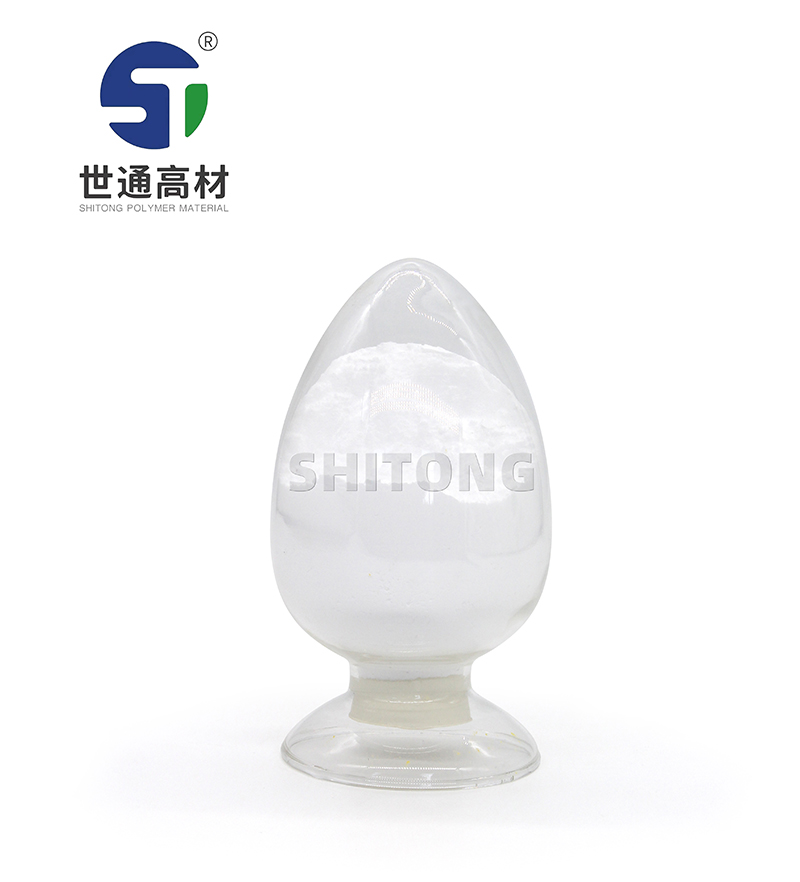
The main causes of uneven foaming in rubber vulcanization include improper mixing of ingredients, the quality of the rubber blowing agent, temperature fluctuations, and inadequate curing time.
Even distribution of the rubber blowing agent is critical. Using mechanical mixers can help make this process efficient. If not mixed properly, bubbles may form unevenly. This will lead to areas in the rubber that are either too foamy or lacking foam altogether. For example, if a batch contains too many chunks of compounds, it can prevent the blowing agent from activating correctly.
The quality of the rubber blowing agent is essential. Different agents have varying performance characteristics. Some might not expand properly under heat, resulting in inconsistent foam. Manufacturers must carefully choose the blowing agent suited to their specific rubber formulations. Testing different agents can reveal optimal choices for achieving uniform foaming.
Temperature greatly influences the vulcanization process. High temperatures can cause rapid expansion and lead to excessive bubbles, while low temperatures may not activate the blowing agent fully. Proper temperature control throughout the process ensures consistent results. For instance, maintaining a temperature of around 160°C during vulcanization can yield better foaming results.
Curing time is crucial for allowing the rubber to set correctly. If rubber is removed from heat too soon, it may not solidify properly, leading to weak or uneven foam. Each rubber formulation has a specific curing time, which should be closely followed. For example, a standard cure time of about 20 minutes might be necessary for specific compounds.
In conclusion, uneven foaming in rubber vulcanization can arise from various factors. Understanding the role of the rubber blowing agent, proper mixing techniques, temperature regulation, and adequate curing time will help improve product quality. Paying attention to these details ensures better performance and durability of rubber products in the market.
What are the main causes of uneven foaming in rubber vulcanization?
Improper mixing, quality of the blowing agent, temperature, and curing time can all lead to uneven foaming.
How can I improve foaming in my rubber products?
Ensure proper mixing, select high-quality blowing agents, control temperature, and follow recommended curing times.
Why is temperature important in rubber vulcanization?
Temperature affects how well the blowing agent expands, impacting the consistency of the foam.
What role does the blowing agent play?
The blowing agent generates gas when heated, creating foam that impacts the rubber's final properties.
How can I ensure quality in my rubber products?
Focus on ingredient quality, precise mixing, adequate processing times, and controlled environments during vulcanization.
Hot Product
We are seeking reliable and trustworthy partners to grow our business together and establish long-term relationships. Feel free to contact us to explore partnership opportunities.


