


Calcium Zinc Stabilizer is crucial for maintaining the quality and durability of plastic materials. Many users, however, encounter problems due to incorrect dosage. This can lead to stabilizer failure, impacting product performance. Understanding the common dosage mistakes is essential for achieving optimal results. For instance, using too little can reduce effectiveness, while too much can cause degradation. Let's explore the most frequent errors people make with calcium zinc stabilizers.
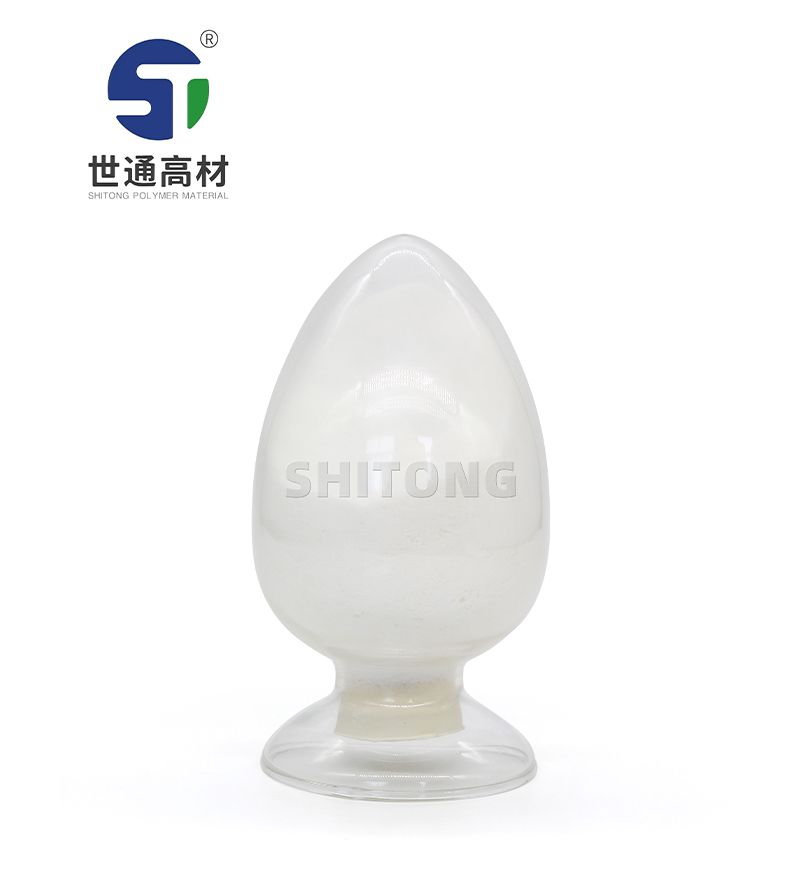
The common mistakes in dosage of calcium zinc stabilizers include using incorrect amounts, misunderstanding the material requirements, and not following manufacturer guidelines.
One of the biggest mistakes is miscalculating the amount of stabilizer needed. For effective use, it is important to adhere to recommended dosages. Too little may lead to instability, while too much can compromise the integrity of materials.
Every stabilizer has specific guidelines for application. Not reading or ignoring these can result in subpar performance. Always refer to the data sheets provided by manufacturers for best practices.
Different materials require different types of stabilizers. Failing to match the calcium zinc stabilizer with the right polymer can lead to failure. It is critical to understand the compatibility of the stabilizer with your materials.
Before scaling up production, it is wise to conduct small tests. This helps in identifying the right dosage and checking how well the stabilizer performs. Skipping this step can create several issues down the line.
External conditions can affect the efficacy of stabilizers. For instance, high humidity and temperatures can alter the performance outcome. Always consider these factors when determining dosage.
In conclusion, understanding common dosage mistakes that cause stabilizer failure is key for successful applications of calcium zinc stabilizers. Adhering to proper guidelines, conducting tests, and considering environmental factors will enhance the effectiveness of your stabilizer.
1. What is a calcium zinc stabilizer?
Calcium zinc stabilizer is a type of additive used in plastic production to enhance durability.
2. Why is proper dosage important?
Proper dosage ensures effectiveness and prevents issues like degradation and instability in products.
3. How can I determine the right amount of stabilizer to use?
Refer to the technical data sheets provided by manufacturers for guidelines on dosage.
4. What happens if I use too much stabilizer?
Using too much can lead to poor performance and negative effects on material integrity.
5. Are there different types of stabilizers for different materials?
Yes, different polymers may require specific types of stabilizers for optimal performance.
6. How can I test the effectiveness of my stabilizer?
Conduct small-scale trials prior to full production for evaluating dosage and performance.
Hot Product
We are seeking reliable and trustworthy partners to grow our business together and establish long-term relationships. Feel free to contact us to explore partnership opportunities.


