


Finding the right dosage of internal Lubricant G60 for high-speed PVC extrusion is crucial for achieving optimal production efficiency. Many manufacturers struggle with the balance of lubrication, which can lead to defects in the final product. Too little lubricant can cause friction and wear, while too much can lead to excessive slip and lower product strength. Understanding how to adjust the dosage of G60 lubricant will improve the extrusion process. Furthermore, it can minimize costs and enhance PVC quality. This fine-tuning can significantly affect overall productivity. 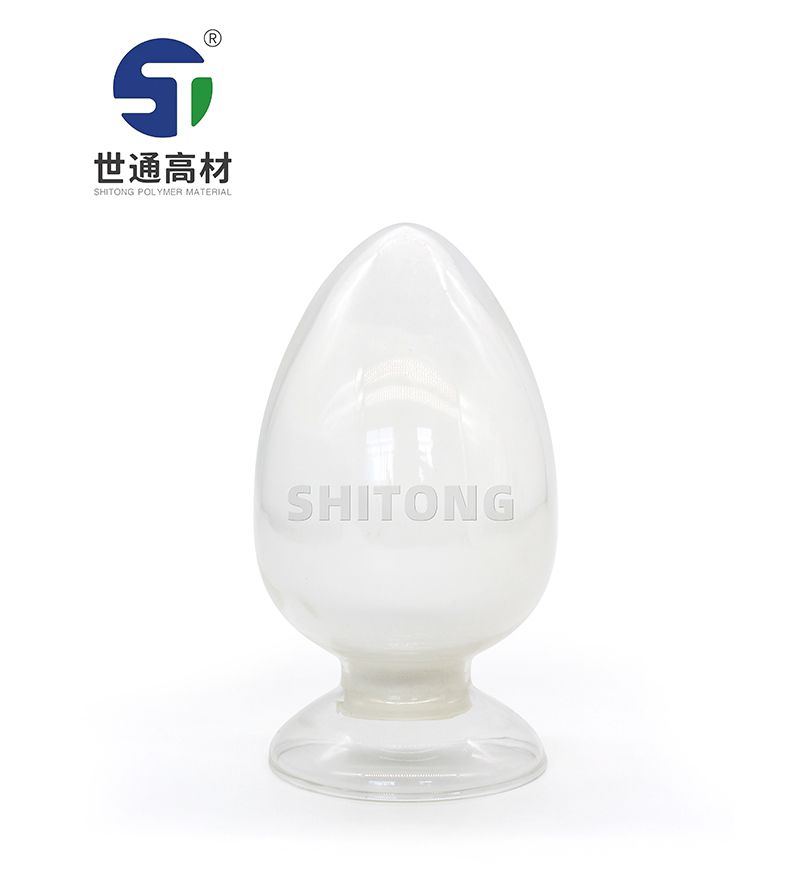
To achieve optimal performance in high-speed PVC extrusion, it is essential to finely tune the dosage of internal lubricant G60. **The recommended dosage ranges from 0.5% to 2.0% based on the specific formulation and process conditions.** Proper adjustment enhances processing, reduces defects, and improves the overall quality of the extruded product.
The addition of G60 improves the flow of PVC during extrusion. This leads to a smoother finish and better dimensional stability of the final product. Studies show a reduction in cycle time by up to 20% when G60 is used effectively.
Dosage levels for G60 should typically fall between the following:
| Dosage Percentage | Effect |
|---|---|
| 0.5% | Minimal lubrication, suitable for low-speed applications. |
| 1.0% | Standard level, good balance of performance and product strength. |
| 1.5% to 2.0% | Increased lubrication, ideal for high-speed processes. |
Different temperatures and machines may require different lubricant levels. Higher temperatures may lead to lubricant degradation. Therefore, adjustments are essential for maintaining optimal performance. Always consider the type of machinery used, as some may have specific lubrication needs.
Regularly monitor the extrusion speed, product quality, and machine wear to determine if the G60 dosage is appropriate. A feedback loop for adjustments can lead to more consistent outcomes.
Fine-tuning the internal lubricant G60 dosage is critical for high-speed PVC extrusion. By adjusting the amounts from 0.5% to 2.0%, manufacturers can improve efficiency, reduce defects, and increase product strength. Understanding and optimizing the use of lubricant G60 is essential for achieving the best results in PVC production.
G60 lubricant reduces friction and wear, enhancing the flow of PVC during the extrusion process.
Start with the recommended range of 0.5% to 2.0% and adjust based on your specific production conditions and desired quality.
Yes, excessive lubricant can lead to poor product strength and surface defects.
Adjust the dosage as needed, especially when there are changes in process conditions or product specifications.
Using G60 lubricant improperly, such as at the wrong dosage, can lead to operational inefficiencies or product failure.
G60 offers enhanced compatibility with PVC and provides excellent lubrication properties at high extrusion speeds, leading to improved product quality.
Hot Product
We are seeking reliable and trustworthy partners to grow our business together and establish long-term relationships. Feel free to contact us to explore partnership opportunities.


