


The production of PVC synthetic leather is highly dependent on the proper use of foaming agents. Many manufacturers struggle to determine the correct dosage needed to achieve optimal results, leading to issues such as inconsistency in texture and appearance. This guide provides a comprehensive overview of foaming agent dosages for PVC synthetic leather, ensuring high quality and performance in your products.
Foaming agents play a crucial role in creating the desired texture and feel of synthetic leather. These agents expand during processing, forming a foam structure that mimics the luxurious appearance of real leather.
It is essential to identify the different types of foaming agents available on the market:
Using the right foaming agents can lead to several benefits, including improved flexibility, reduced weight, and cost savings in material usage.
Determining the correct dosage of foaming agents for PVC synthetic leather is critical. The dosage depends on various factors, including the desired foam density and the formulation of the synthetic leather.
Consider the following factors when deciding on the appropriate dosage:
The typical dosage of foaming agents in PVC synthetic leather can range from 1% to 5% of the total formulation weight. Adjustments can be made based on specific production requirements.
To determine the appropriate dosage for your formulation, follow these simple steps:
If your total formulation weight is 200 kg and you require a 3% dosage of the foaming agent, the calculation would be:
200 kg x 0.03 = 6 kg of foaming agent
Proper optimization of the foaming agent usage can lead to enhanced product qualities. Here are some strategies to consider:
Always test different dosages on small batches before moving to full production. Assess the texture, density, and performance of the synthetic leather.
After testing, analyze your results and adjust the dosage accordingly to meet your quality standards.
Avoiding common pitfalls can significantly improve your production process:
Always ensure that your measurement equipment is calibrated to prevent inconsistencies.
Temperature and humidity can influence the effectiveness of foaming agents. Conduct tests under controlled conditions.
| Foaming Agent Type | Density | Typical Dosage Range | Pros | Cons |
|---|---|---|---|---|
| Chemical | Light | 1-3% | Cost-effective | Requires precise control |
| Physical | Medium | 3-5% | Easy to use | Higher cost |
| Conventional | Heavy | 1-5% | High durability | Less flexibility |
Choosing the right foaming agent and determining the proper dosage is vital for producing high-quality PVC synthetic leather. By following this guide and considering the relevant factors, manufacturers can achieve optimal results and enhance the overall performance of their products.
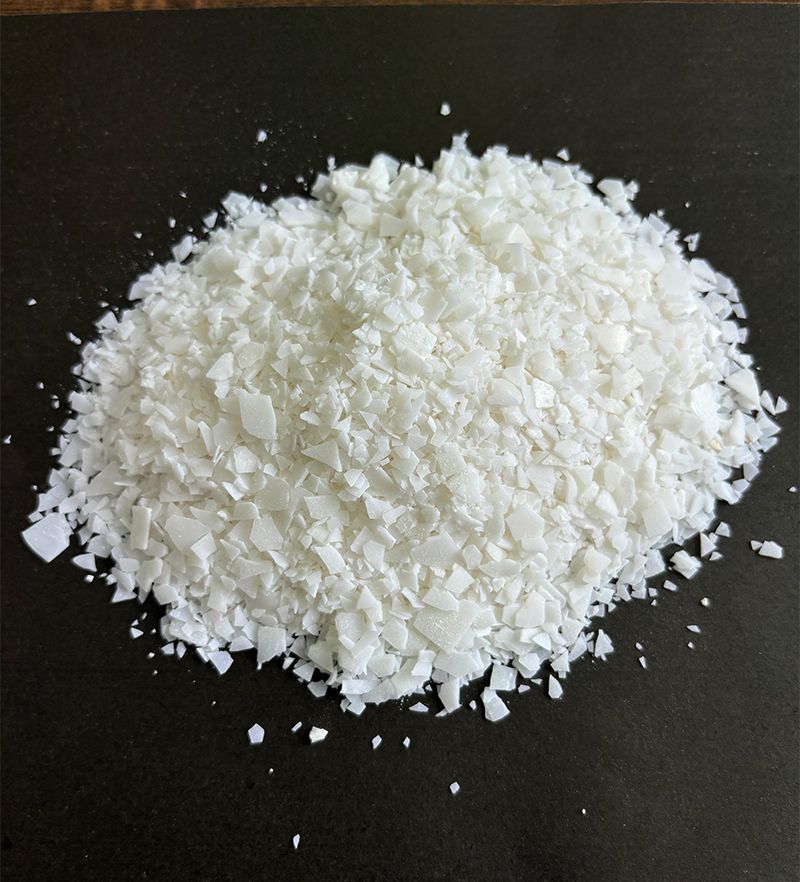
For further inquiries or assistance, contact us at Shitong. We offer a diverse range of high-quality foaming agents tailored to meet your specific needs in synthetic leather production.
Hot Product
We are seeking reliable and trustworthy partners to grow our business together and establish long-term relationships. Feel free to contact us to explore partnership opportunities.


