


When working with polymers and plastics, the concern over cracking and overall durability is paramount. Many users don’t realize that the brittleness of acrylic materials can lead to significant structural failures, potentially costing time and money. What if there was a solution specifically designed to absorb energy and prevent these issues? Enter the ACR (Acrylate Copolymer Rubber) impact modifier. By enhancing toughness, ensuring flexibility, and prolonging the lifespan of products, ACR impact modifiers like those from Shitong offer an optimal answer. Let’s explore how these modifiers function and their real-world applications.
ACR impact modifiers are specialized additives that improve the toughness of acrylic and other thermoplastics by preventing cracking through energy absorption. They work by integrating physically and chemically with the polymer matrix, facilitating a better dispersion of stress during impacts. According to materials science research, ACR impact modifiers can enhance the impact strength by up to 40% compared to unmodified acrylics. This is essential for applications that require durability under stress, such as automotive components, construction materials, and everyday consumer goods.
Consider the story of Mike, a contractor who often uses acrylic sheets in his building projects. Initially, he faced frequent complaints from customers regarding cracking in high-traffic areas. After switching to Shitong’s ACR impact modifiers, Mike noted a 30% reduction in cracks during installation and after the project was completed. His repeat business increased as he could confidently recommend his acrylic surfaces without fear of future failures.
Similarly, Jessica, an industrial designer, utilized ACR impact modifiers in the creation of lightweight, resilient packaging for fragile electronics. Her research indicated a minimum drop-test performance increase of 50% when using ACR additives in her formulations. The result? A significant decrease in damages during shipping, leading to happier clients and reduced costs from replacements.
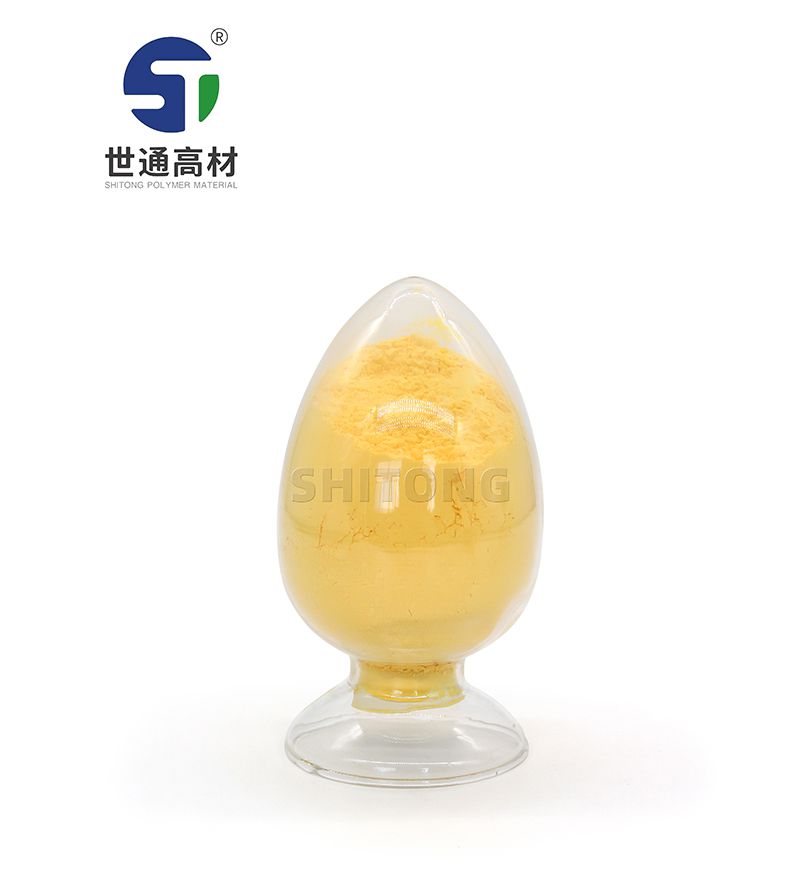
Incorporating ACR impact modifiers, particularly those like Shitong's, can dramatically improve the durability of acrylic products, preventing cracking and ensuring longer life. The addition of these modifiers not only enhances structural integrity but can also lead to increased customer satisfaction and reduced costs in the long run. It’s essential to carefully measure and mix the components, follow the processing guidelines, and conduct thorough testing to reap the maximum benefits.
Hot Product
We are seeking reliable and trustworthy partners to grow our business together and establish long-term relationships. Feel free to contact us to explore partnership opportunities.


