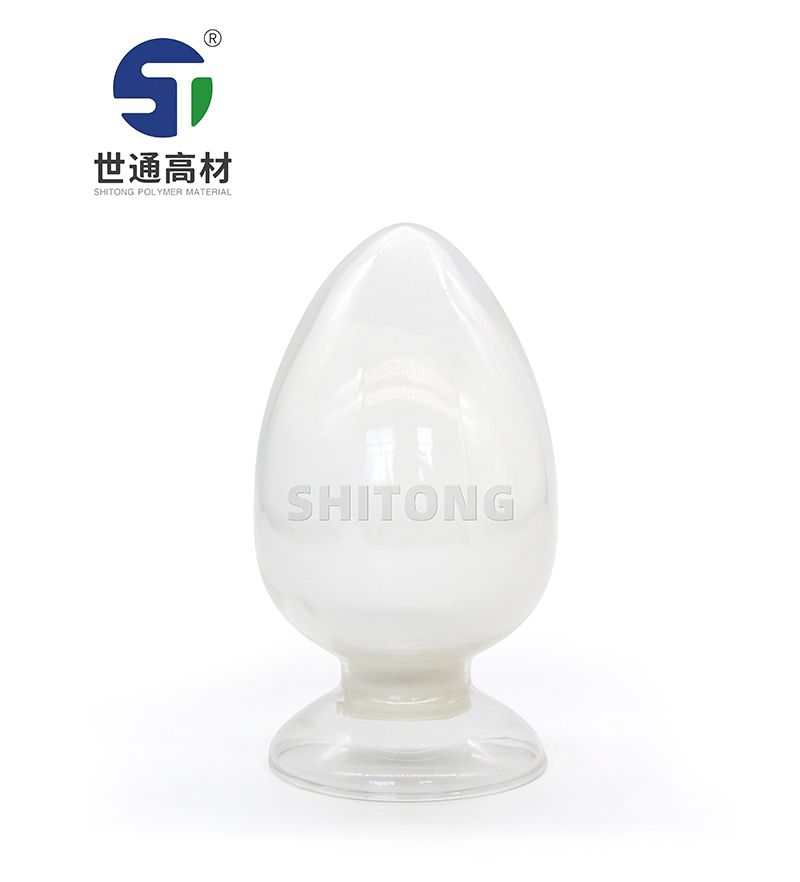
When it comes to producing high-quality PVC Foaming Boards, ensuring cell uniformity is paramount to achieving optimal strength, flexibility, and aesthetic appeal. If you're struggling with inconsistent foam quality in your PVC boards, don't worry! I’ve outlined a straightforward, actionable approach using Shitong's foaming regulators, which can effectively enhance cell uniformity in your products.
The first step is integrating a quality foaming regulator into your PVC formulation. I recommend Shitong's advanced foaming regulators, specifically designed to control cell size and distribution with precision, enhancing the overall uniformity of the foamed material. The application of these regulators can bring notable improvements; studies show that incorporating Shitong foaming regulators can reduce cell size variations to less than 0.01mm, dramatically impacting the structural integrity of the final product.
Step-by-Step Application of Shitong’s Foaming Regulators
Assess Your Current Formula: Start by reviewing your existing PVC formulation. Identify the foaming agents currently in use and note any inconsistencies in cell size and distribution. This benchmarking is essential for measuring improvement.
Select the Right Foaming Regulator: Based on your assessment, choose the appropriate Shitong foaming regulator that aligns with your production goals. For instance, using our premium regulator can ensure a 100% uniform cell structure, making your boards more durable.
Mixing Process: Integrate the foaming regulator into your mixing process. Ensure that you follow Shitong's recommended ratio, which typically varies based on the total weight of your PVC blend. Depending on your machinery and setup, this could range from 0.5% to 2% of the total material composition.
Mold Temperature Control: Maintain optimal mold temperatures during the foaming process, as temperature fluctuations can adversely affect cell uniformity. I recommend consistency within a 5°C variance for best results.
Quality Inspection: After producing your foaming boards, conduct a thorough inspection. Use ASTM D 1922 standards to measure cell size, ensuring that the results show improved consistency. A 24-hour response time for addressing any quality issues will further enhance your product reliability.
Document and Adjust: Record the outcomes of each production run and make necessary adjustments based on the data collected. This not only facilitates ongoing improvements but also helps in standardizing the production process.
Overcoming Potential Challenges
A common challenge that might arise during this process is improper mixing, which can lead to uneven dispersion of the foaming regulator, affecting cell uniformity. To overcome this, ensure adequate mixing times and speeds. Additionally, consider using high-shear mixers if available, as these can enhance the homogeneity of the blend.
Another potential issue may be fluctuations in temperature, which can impact the foam's expansion properties. Regular calibration of your molding equipment will help in mitigating this risk.
Tools and Resources for Efficiency
To streamline your execution, consider investing in high-quality monitoring tools that can track temperature and mixing speeds accurately. Shitong also provides access to comprehensive technical support via their website Shitong, where you'll find resources and detailed product data sheets that can aid in the application process.
In summary, adapting your PVC foaming board production with Shitong’s foaming regulators can vastly improve cell uniformity and overall product quality. Remember to evaluate your formulations, carefully integrate the regulator, control your processes meticulously, and regularly inspect your results to reap the benefits of this effective solution. Start implementing these steps today and witness the transformation in your PVC board products!
Hot Product
We are seeking reliable and trustworthy partners to grow our business together and establish long-term relationships. Feel free to contact us to explore partnership opportunities.