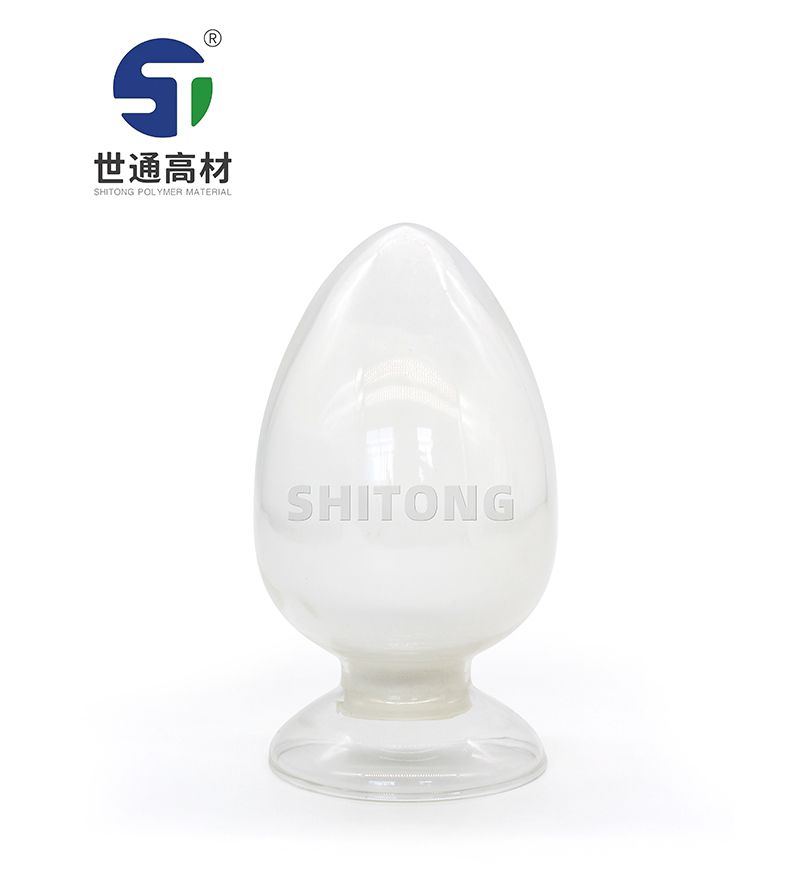
Foaming regulators are specialized additives used in the production of PVC leather to control the foaming process, enhance texture, and improve overall product quality. They are essential for achieving the desired surface characteristics.
Foaming regulators impact the distribution of bubbles within the PVC matrix, which affects the smoothness and feel of the leather surface. Proper use ensures a uniform texture and prevents defects like uneven surfaces and unwanted glossiness.
Begin by choosing a foaming regulator suited for your specific PVC leather formulation. Consider factors like the desired texture and application method.
Carefully measure all raw materials, including PVC resin, plasticizers, fillers, and the foaming regulator. Accurate measurements are crucial for consistent quality.
Combine the PVC resin, plasticizers, and fillers in a mixing chamber. Gradually add the foaming regulator while mixing continuously to ensure even distribution.
Control the temperature and mixing speed to regulate the foaming process. Ensure that the foam density remains consistent throughout production.
Once the foaming process is complete, pour the mixture into molds or onto surfaces to create the PVC leather. Use appropriate techniques for spreading and laying the material.
Allow the PVC leather to cure as per your manufacturer specifications. Proper curing is crucial for achieving the desired surface texture and strength.
Perform thorough quality control checks on the finished PVC leather. Look for uniform texture, absence of bubbles, and compliance with texture specifications.
Failing to accurately measure ingredients can lead to inconsistent quality. Always double-check measurements.
Insufficient mixing may result in unevenly distributed foaming regulators. Ensure thorough mixing for best results.
Ignoring the temperature can cause uncontrolled foaming. Maintain precise temperature to achieve desired outcomes.
Omitting quality checks can lead to significant product defects. Always include a comprehensive quality control step.
In conclusion, utilizing foaming agents effectively, like those offered by Shitong, is crucial in enhancing the texture of PVC leather. By following this step-by-step guide, manufacturers can improve product quality and customer satisfaction. For more information on our foaming regulators, visit Shitong.
Hot Product
We are seeking reliable and trustworthy partners to grow our business together and establish long-term relationships. Feel free to contact us to explore partnership opportunities.