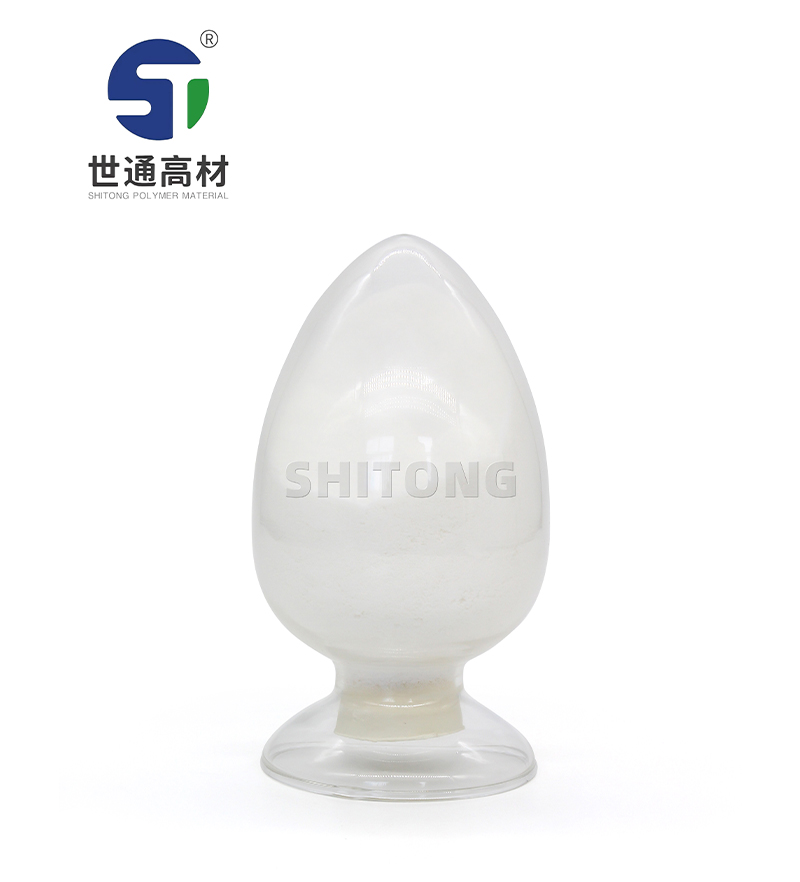
When it comes to optimizing your PVC formulation, the key to ensuring smooth processing and excellent end-product performance lies in the precise addition of internal lubricants. In this guide, I’ll walk you through clear, actionable steps to determine the appropriate amount of internal lubricant for your PVC formulation. By following these steps, you can enhance the quality of your products, improve processing efficiency, and meet industry standards like ASTM and DIN.
Internal lubricants for PVC are added to reduce friction during processing and to ensure a smooth flow of material through machinery. Common internal lubricants include esters, fatty acids, and waxes. Adding the correct amount is crucial because too little lubricant may cause increased friction and lead to processing issues, while too much can deteriorate the material's physical properties.
Identify Your PVC Grade: Different grades of PVC will demand varying amounts of lubricant. Start by consulting the technical datasheet provided by your supplier, like Shitong, which often outlines recommended lubricant percentages based on the specific type of PVC resin.
Conduct Preliminary Testing:
Analyze the Performance:
Adjust Accordingly: Based on your observations and testing results, you may need to make adjustments. If you notice excessive friction, consider increasing the lubricant percentage. Conversely, if the mechanical properties are poor, reduce the lubricant amount slightly.
Implement Quality Controls: Establish regular inspection protocols to ensure consistent quality. Utilizing 100% inspection methods and setting up response protocols for processing issues can mitigate risks.
Properly adding internal lubricant can dramatically enhance the production line's efficiency. For instance, manufacturers have reported up to a 25% increase in throughput and a substantial reduction in equipment wear when the correct lubricant levels are maintained. Additionally, meeting ASTM quality standards through refined formulations can support your brand's reputation for reliability and excellence.
Despite these benefits, challenges such as inconsistent lubricant quality or miscommunication in formulations can arise. To combat these issues:
Utilizing advanced software tools for material calculations (e.g., METTLER TOLEDO or Thermo Fisher) can enhance process efficiency, ensuring you accurately measure and mix lubricants. Additionally, accessing industry-related publications or attending workshops can keep you updated on the latest developments in PVC formulations.
By following these steps, you can ensure the optimal performance of your PVC products. Evaluating how much internal lubricant should be added to a PVC formulation doesn’t have to be a daunting task—just focus on precise measurements and thorough testing. Start today, and reap the benefits of improved efficiency and high-quality output in your PVC formulations!
For more information on quality materials, visit Shitong's resources and discover the right solutions for your PVC needs.
Hot Product
We are seeking reliable and trustworthy partners to grow our business together and establish long-term relationships. Feel free to contact us to explore partnership opportunities.