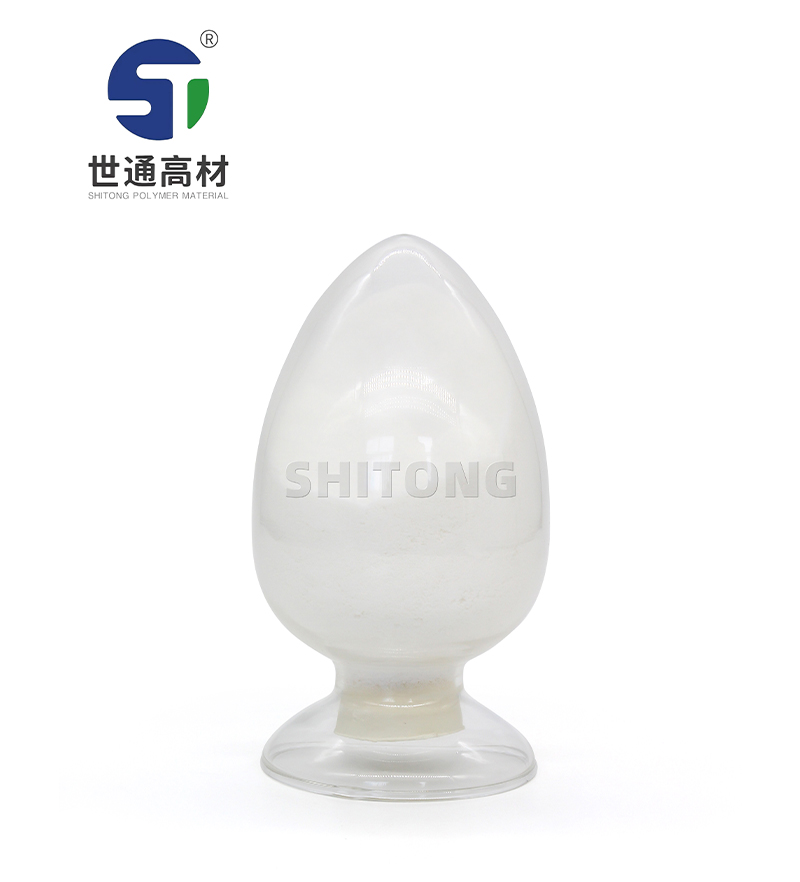
How PE Wax Improves PVC Profile Surface Gloss: Understanding User Pain Points
Users seeking enhanced surface gloss in PVC profiles often struggle with achieving the desired aesthetic appeal without compromising structural integrity. They desire solutions that improve the sheen of PVC profiles, offering enhanced gloss levels that can bring their products to life. For manufacturers and crafting enthusiasts focusing on high-quality finishes, finding an effective PVC Internal Lubricant is key. Enter PE wax, a semi-crystalline polymer that not only improves gloss but also addresses the challenges associated with traditional lubricants. In this article, we will break down how PE wax, specifically from Shitong, can transform the surface finish of PVC profiles and solve common user problems.
Required Preparation: Materials and Tools
Before diving into the application and benefits of PE wax, ensure you have the following materials and tools at your disposal:
- PE Wax (Polyethylene Wax): Choose a high-quality brand like Shitong for optimal results.
- PVC Material: High-grade PVC profiles that require a glossy finish.
- Mixing Equipment: A mechanical mixer for thorough blending.
- Heating Apparatus: A controlled heating unit to melt the wax.
Having these materials ready will ensure a smooth workflow and high-quality results.
Step-by-Step Guidance: How to Use PE Wax in PVC Profiles
Follow this detailed step-by-step guide to apply PE wax effectively for improving the surface gloss of your PVC profiles.
- Prepare Your Work Area: Ensure that your workspace is clean and free of contaminants. Gather all materials and tools.
- Measure the PE Wax: For every 100 parts of PVC, add 2-5 parts of Shitong PE wax based on the desired gloss level.
- Heat the PVC Material: Begin heating the PVC to approximately 170-180°C to ensure optimal melting. Use a thermometer for accuracy.
- Blend PE Wax with PVC: Once the PVC reaches the desired temperature, slowly add in the measured PE wax while stirring continuously. Aim for a uniform mixture.
- Test Mixture Consistency: Take a small sample from the mixture and allow it to cool. Evaluate the surface gloss after it's set. It should produce a glossy finish.
- Mold or Extrude: Once satisfied, proceed to mold or extrude your PVC profiles accordingly.
For visual assistance, refer to the image at this link: PE Wax Application Process.
Common Errors and Solutions
While using PE wax, you might encounter some common problems. Here are some solutions:
- Insufficient Gloss: If the surface isn’t glossy, consider increasing the amount of PE wax up to 5 parts per 100. Ensure thorough mixing as well.
- Poor Adhesion: Ensure that the PVC material is heated evenly. Uneven heating can lead to poor mixing and adhesion issues.
- Surface Imperfections: Scratches or bubbles may appear if the mixture is not cooled slowly. Allow for gradual cooling to eliminate these defects.
Summary and Suggestions
PE wax, particularly that of Shitong, acts as a remarkable internal lubricant for PVC profiles, improving their surface gloss substantially. By following our guide, users can unlock the potential of their PVC materials, achieving a measurable increase in gloss levels that can enhance product appeal. Aim for a blend of precision and patience during the application process to yield the best results. As you experiment, keep track of ratios and environment conditions to perfect your technique over time.
FAQ
- What is the ideal temperature for mixing PE wax with PVC?
- The optimal temperature range is between 170-180°C, allowing for proper melting and blending.
- Can PE wax be used with all types of PVC?
- Yes, but the ratio may need adjustment depending on the specific type of PVC and the desired surface gloss.
- How long will the gloss last?
- With proper application, the gloss can last indefinitely, but environmental conditions may affect it over time.