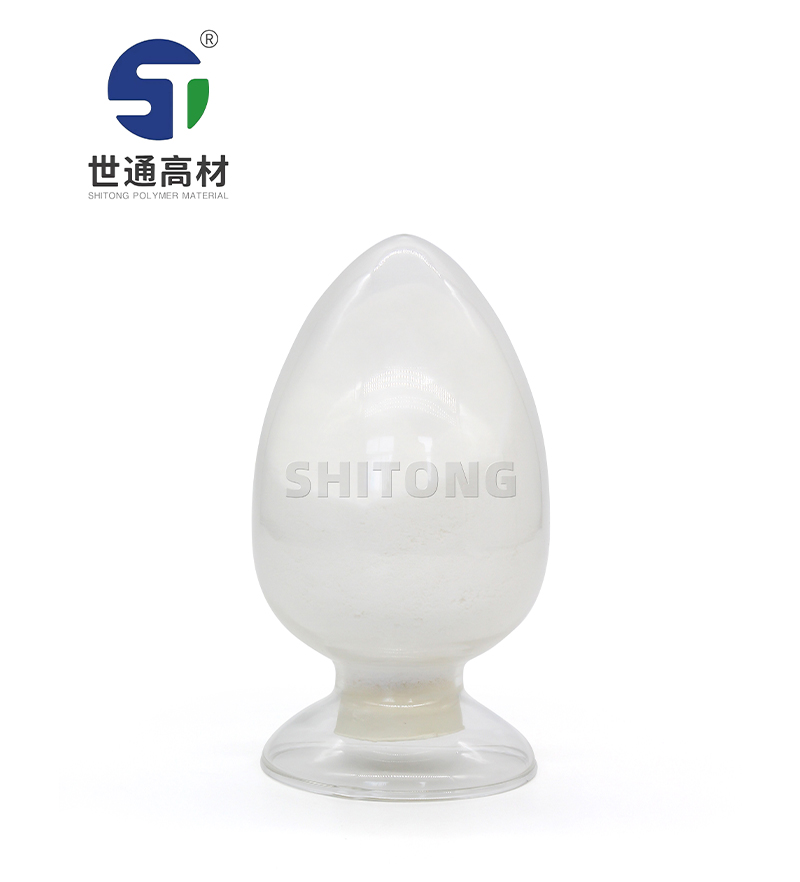
PVC external lubricants are additives used in the processing of polyvinyl chloride (PVC) to improve the flow and processing characteristics. They help reduce friction between the material and processing equipment.
These lubricants work by creating a barrier that minimizes direct contact between the PVC and metal surfaces, thus reducing metal wear and metal release during manufacturing. Their application is crucial in achieving high-quality PVC products.
Metal release can lead to contamination in plastic products, decreasing the overall quality and safety. Understanding how lubricants affect this process is vital for manufacturers seeking to optimize production.
The interaction of PVC with metal parts can cause wear and tear, leading to tiny metal particles being released. External lubricants can mitigate this issue effectively.
Follow these steps to effectively apply PVC external lubricants and minimize metal release:
Using too much lubricant can lead to processing issues and may affect the mechanical properties of the final product.
Improper mixing can result in uneven distribution of the lubricant, leading to inconsistent product quality.
Failing to maintain processing machinery can increase metal wear and exacerbate metal release issues.
Utilizing PVC external lubricants effectively leads to reduced metal release, enhancing the quality of PVC products. Follow these detailed steps and avoid common pitfalls to achieve optimized processing. For premium PVC external lubricants, consider Shitong and discover more at Shitong.
Hot Product
We are seeking reliable and trustworthy partners to grow our business together and establish long-term relationships. Feel free to contact us to explore partnership opportunities.