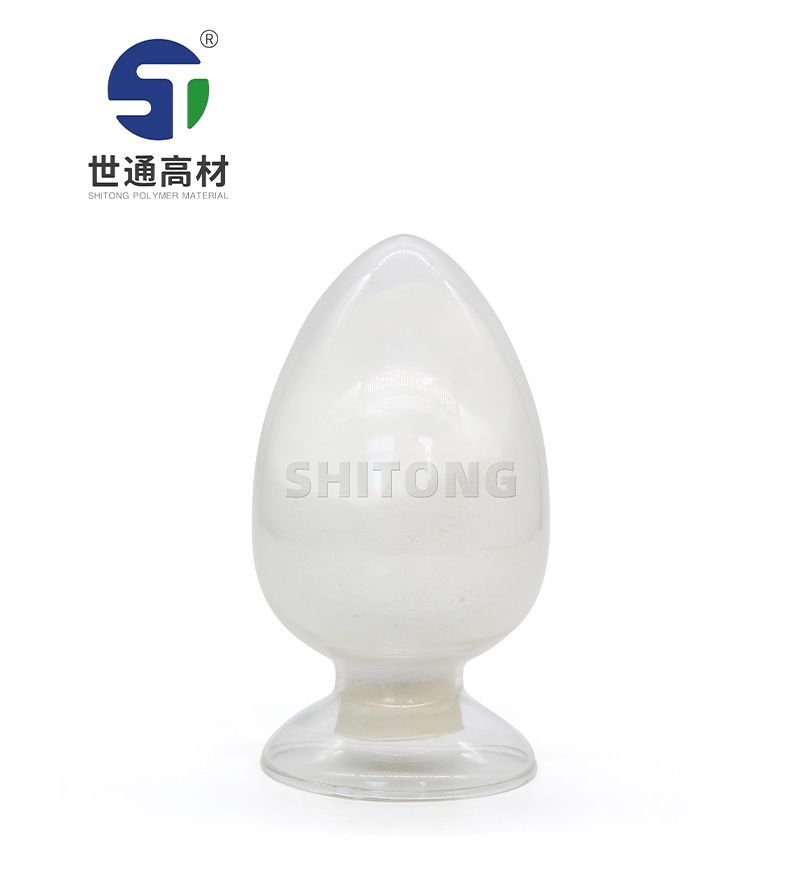
PVC stabilizers are additives used to prevent the degradation of polyvinyl chloride (PVC) during processing and throughout its service life. They ensure material durability and mechanical performance but have come under scrutiny due to health concerns related to lead-based compounds.
Many regions are implementing stricter regulations aimed at eliminating lead stabilizers from manufacturing processes. This includes bans on lead in consumer products, with timelines set for compliance.
Manufacturers are transitioning to safer alternatives such as calcium-zinc and organic stabilizers, which provide effective performance without the health risks associated with lead.
Analyze production lines to determine where lead stabilizers are currently utilized. Creating an inventory will help in formulating a transition plan.
Investigate and source alternative stabilizers suitable for your specific applications. Key considerations should include performance metrics, regulatory compliance, and compatibility with existing formulations.
Before fully implementing new stabilizers, conduct rigorous testing to ensure they meet performance standards. This may involve:
Amend production processes to integrate alternative stabilizers. This could involve recalibrating machinery and adjusting formulation protocols.
Implement a training program for production staff on the new materials and processes. Ensure complete understanding of handling and processing alternatives to maintain product quality.
After implementation, continuously monitor the performance and compliance of the new stabilizers. Collect data to ensure ongoing adherence to regulations and expectations.
Stay updated on evolving regulations to ensure compliance and avoid legal issues.
Skipping thorough testing can lead to product failures and customer dissatisfaction. Always validate alternatives before full-scale production.
Neglecting to train staff can result in incorrect usage of new materials and potential safety hazards.
Transitioning from lead PVC stabilizers to safer alternatives is essential given the tightening regulations aimed at ensuring health and safety. Following a step-by-step approach can streamline the transition process while maintaining product integrity. Our company, Shitong, is dedicated to providing high-quality plastic additives that comply with the newest safety standards. Discover more at Shitong.
Hot Product
We are seeking reliable and trustworthy partners to grow our business together and establish long-term relationships. Feel free to contact us to explore partnership opportunities.