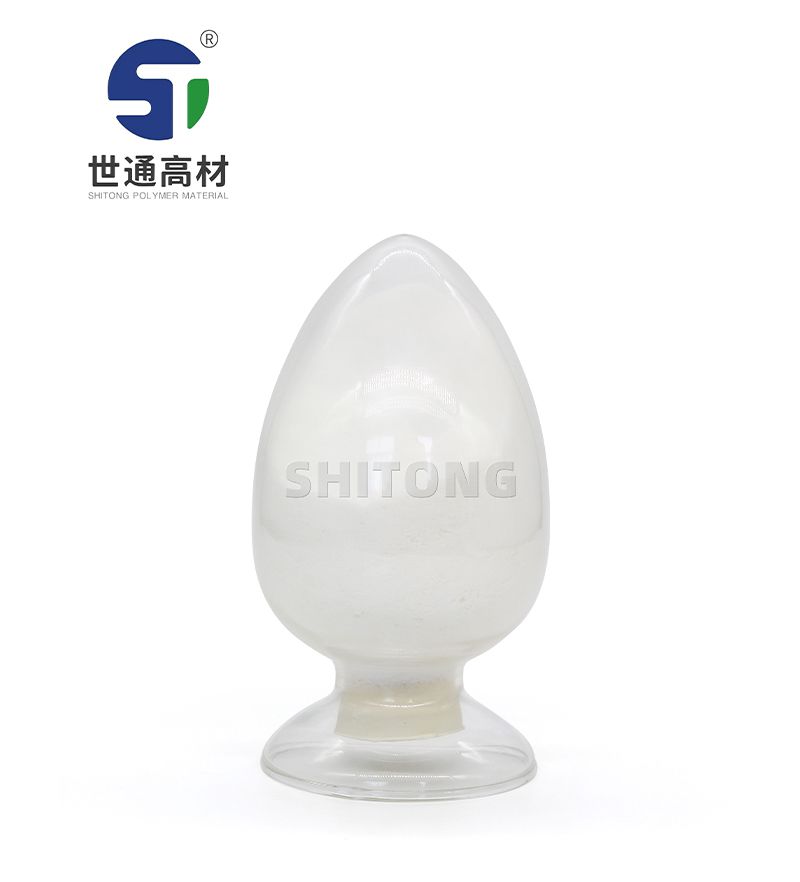
PVC processing aids are additives used to enhance the flow and performance of polyvinyl chloride during processing. They improve the ease of processing and surface quality of final products, particularly important for achieving clarity in transparent profiles.
Optimizing the dosage of processing aids is crucial for maximizing the transparency of profiles while minimizing defects and processing complications. Too little may not provide the desired benefits, while too much can lead to issues such as excessive blooming or tackiness.
Before determining the dosage, it's essential to evaluate the specific type of PVC resin you're using since different resins may require varying amounts of processing aids. Consult technical data sheets for guidance.
Evaluate the processing conditions including temperature, mixing time, and equipment used. Proper conditions can influence how well the processing aid performs with the PVC resin.
Conduct small-batch experiments varying the dosage of PVC processing aids. Start with a baseline dosage recommended by the manufacturer and adjust incrementally to observe changes in clarity and surface quality.
During trials, regularly inspect samples for clarity, surface imperfections, and any processing anomalies. Document results meticulously to understand the effects of different dosages.
Based on trial results, refine the processing aid dosage. Identify a window where transparency is maximized without introducing defects. Create a dosage matrix as a reference for future processing.
By following these detailed steps, you can effectively optimize the dosage of PVC processing aids for clear or transparent profiles. Avoid common pitfalls, use required tools, and monitor parameters closely to achieve the best results. For further information on high-quality processing aids, visit Shitong at Shitong.
Hot Product
We are seeking reliable and trustworthy partners to grow our business together and establish long-term relationships. Feel free to contact us to explore partnership opportunities.