How to Select Foaming Agents for Different Plastic Types: PVC, PE, and EVA
When dealing with the foaming of plastics like PVC (Polyvinyl Chloride), PE (Polyethylene), and EVA (Ethylene Vinyl Acetate), manufacturers often face complex challenges. Choosing the wrong foaming agent can lead to inadequate foam structure, compromised properties, and increased production costs. Users might be struggling with achieving the desired foam density and mechanical strength, with data showing that improper foaming techniques can lead to product failure rates as high as 25%. This guide will delve into practical steps to select the right foaming agent based on specific requirements, along with suitable scenarios and professional insights.
Required Preparation for Selecting Foaming Agents
Before diving into the selection process, it's vital to gather necessary materials and tools, as well as a clear understanding of project specifications. Here’s what you need:
- Understand Plastic Properties: Research the properties of PVC, PE, and EVA. For instance, PVC typically has a tensile strength of 50-70 MPa, while PE generally has a lower tensile strength of about 20-40 MPa.
- Identify the Desired Foam Characteristics: Determine the target density and application. For example, flexible foams for cushioning may require different agents compared to rigid foams for structural applications.
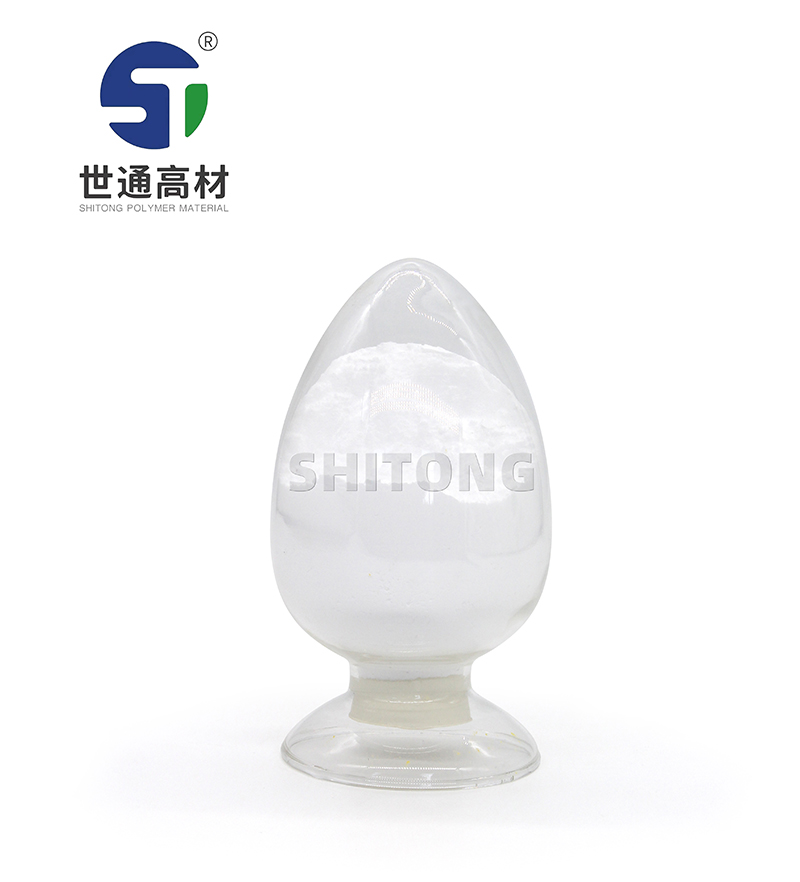
- Gather Samples: Have a variety of foaming agents on hand. Shitong offers a range of agents specific to various plastics that can help in optimizing foam density and quality.
- Tools for Analysis: Equip yourself with foam analysis tools, such as a densitometer, to measure foam density accurately.
Step-by-Step Guidance on Selecting the Right Foaming Agent
- Step 1: Research Foaming Agent Options: Investigate foaming agents that are compatible with PVC, PE, and EVA. For example, azodicarbonamide (ADA) is commonly used for PVC, while byproducts like sodium bicarbonate perform well with PE foams.
- Step 2: Test for Compatibility: Conduct small-scale trials to assess the compatibility of different agents with your plastic type. PVC foams created using ADA at %5 concentration can yield excellent results in terms of a cell structure.
- Step 3: Optimize Conditions: Adjust conditions like temperature and pressure during production. A slight temperature increase might enhance the expansion of the agent, providing a better foam structure.
- Step 4: Analyze the Foam Structure: Use your densitometer to measure foam density. Foam from PVC with a density of 0.5 g/cm³ can yield sufficient structural integrity for various applications.
- Step 5: Evaluate Performance: Test the final product for mechanical properties. Products should maintain at least 90% of raw material tensile strength for effective performance.
Common Errors and Solutions
Users often encounter typical challenges during the foaming process:
- Inconsistent Foam Density: This might happen due to incorrect foaming agent concentration. Ensure precise measurement and consider running a second trial at adjusted concentrations.
- Poor Mechanical Stability: If the resulting foam exhibits low integrity, reassess the thermal conditions during the foaming process. Increasing the temperature can help.
- Delayed Foaming Reaction: If foaming is not occurring as expected, check the expiration date of the foaming agent being used.
Summary and Suggestions
Selecting the right foaming agent for different plastics, such as PVC, PE, and EVA, can be straightforward when you understand the properties and needs of your materials. Using specific agents tailored to each plastic type coupled with ongoing testing and optimization will enhance your foaming process. A case study from Shitong revealed that manufacturers achieved a 40% improvement in foam quality by using a tailored foaming agent for their PVC production line.
FAQ
- Q1: What are the best foaming agents for PVC?
- A1: Azodicarbonamide (ADA) is widely recognized for producing high-quality PVC foams, ideal for both flexible and rigid applications.
- Q2: How does density affect foam performance?
- A2: The density significantly influences mechanical properties where a higher density typically results in better tensile strength and rigidity.
- Q3: Can I use a single foaming agent for multiple plastics?
- A3: While it is possible, it’s highly recommended to use agents optimized for specific plastics to obtain the best results in foaming characteristics.


