


Thermal stability is a crucial factor in the performance of PVC wallboards. Buyers are increasingly concerned about durability and heat resistance in various applications, especially in regions with fluctuating temperatures. Calcium zinc stabilizers have emerged as a leading solution to improve the thermal stability of these materials. In this article, we will explore how using calcium zinc stabilizers can significantly enhance PVC wallboards' thermal performance while also addressing some common pain points faced by manufacturers and distributors.
To appreciate the benefits of calcium zinc stabilizers, it is important to grasp what thermal stability means in the context of PVC wallboards. Thermal stability refers to the ability of the material to withstand high temperatures without degrading. To further elaborate, we can delve into its key components:
Thermal stability is the measure of a material's resistance to thermo-oxidative degradation when subjected to heat. This ensures that the wallboards maintain their structural integrity over time.
For end-users, thermal stability means a longer lifespan for the wallboards, reducing the need for replacements and repairs, which ultimately saves costs.
Additives like calcium zinc stabilizers enhance thermal stability by providing a protective barrier against heat-related degradation processes.
Calcium zinc stabilizers offer multiple advantages when it comes to improving the thermal stability of PVC wallboards. Here are some of the key benefits:
These stabilizers are non-toxic, making them safer for both manufacturers and consumers, with no harmful lead or cadmium involved.
Using calcium zinc stabilizers allows for better processing conditions, improving manufacturing efficiency and product quality.
Wallboards treated with these stabilizers exhibit increased durability, remaining stable under various weather conditions.
These stabilizers help in maintaining the color integrity of PVC wallboards, ensuring aesthetic appeal over time.
By reducing the degradation rate and improving lifespan, these additives ultimately lead to cost savings for both manufacturers and users.
Understanding the mechanism by which calcium zinc stabilizers work can assist in deciding their use in production processes. Here we break it down:
Calcium zinc stabilizers consist of calcium and zinc salts that interact with the PVC matrix, providing stabilization throughout the processing and service life.
These stabilizers work by neutralizing acids that form when PVC is heated, thus preventing the chain scission that leads to color change and loss of mechanical properties.
They can be added directly to the PVC compound during the mixing phase, ensuring uniform distribution and effectiveness.
| Feature | Calcium Zinc Stabilizers | Traditional Stabilizers |
|---|---|---|
| Toxicity | Non-toxic | Can contain harmful substances |
| Thermal Stability | High | Moderate |
| Processing Ease | Improved | Variable |
| Color Retention | Excellent | Can fade |
| Environmental Impact | Low | Potentially harmful |
Manufacturers looking to boost the thermal stability of their PVC wallboards can follow these steps:
Investigate existing formulations and assess their thermal performance.
Create test batches incorporating calcium zinc stabilizers and compare their performance against traditional formulations.
Perform thermal analysis, such as Differential Scanning Calorimetry (DSC), to evaluate the thermal stability of new formulations.
Adjust the ratios of calcium zinc stabilizers for optimal performance based on analysis results.
Implement quality control measures to ensure consistency in production with the new stabilizer formulations.
In summary, calcium zinc stabilizers play a vital role in enhancing the thermal stability of PVC wallboards. Their non-toxic nature, combined with improved processing efficiency and long-term durability, makes them an attractive option for manufacturers and distributors alike. The careful implementation of these stabilizers can lead to significant improvements in product performance, ensuring customer satisfaction and potentially higher sales.
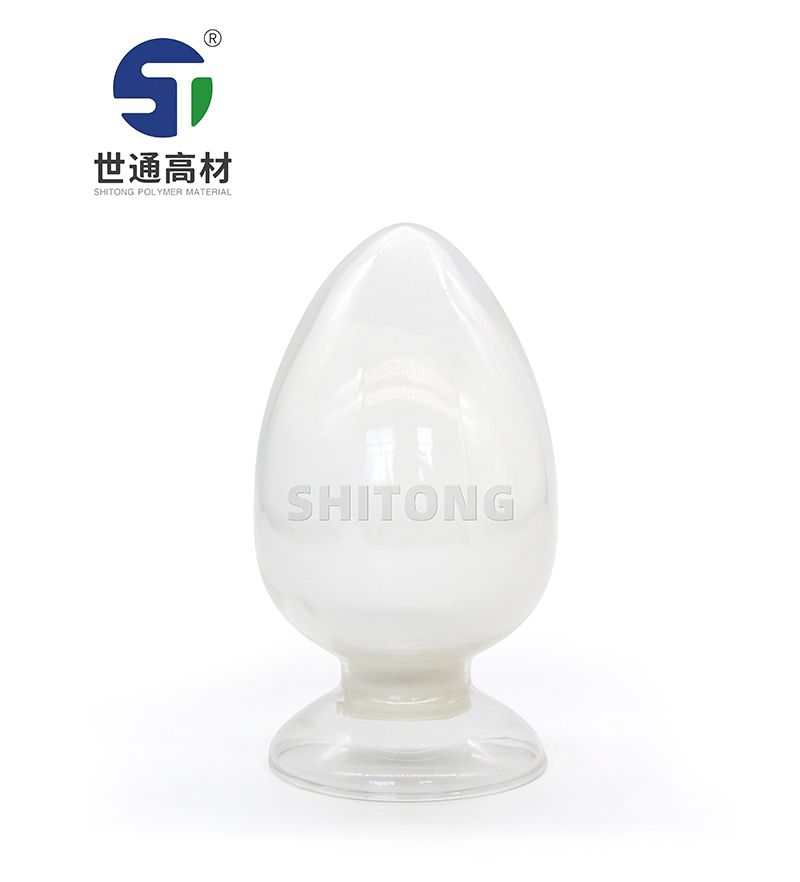 Shitong Calcium Zinc Stabilizers" style="width:100%; margin:20px 0;"/>
For more information about how Shitong’s calcium zinc stabilizers can improve your PVC wallboard products, contact us today!
Hot Product
We are seeking reliable and trustworthy partners to grow our business together and establish long-term relationships. Feel free to contact us to explore partnership opportunities.


