


The question of whether the yellow blowing agent, also known as AC blowing agent, is suitable for both PVC and rubber is crucial for many manufacturers. Choosing the right blowing agent is key to ensuring product quality and performance. PVC, or polyvinyl chloride, and rubber have different properties and uses. This makes understanding their compatibility with AC blowing agent important. Manufacturers often seek alternatives that can effectively enhance the properties of these materials. 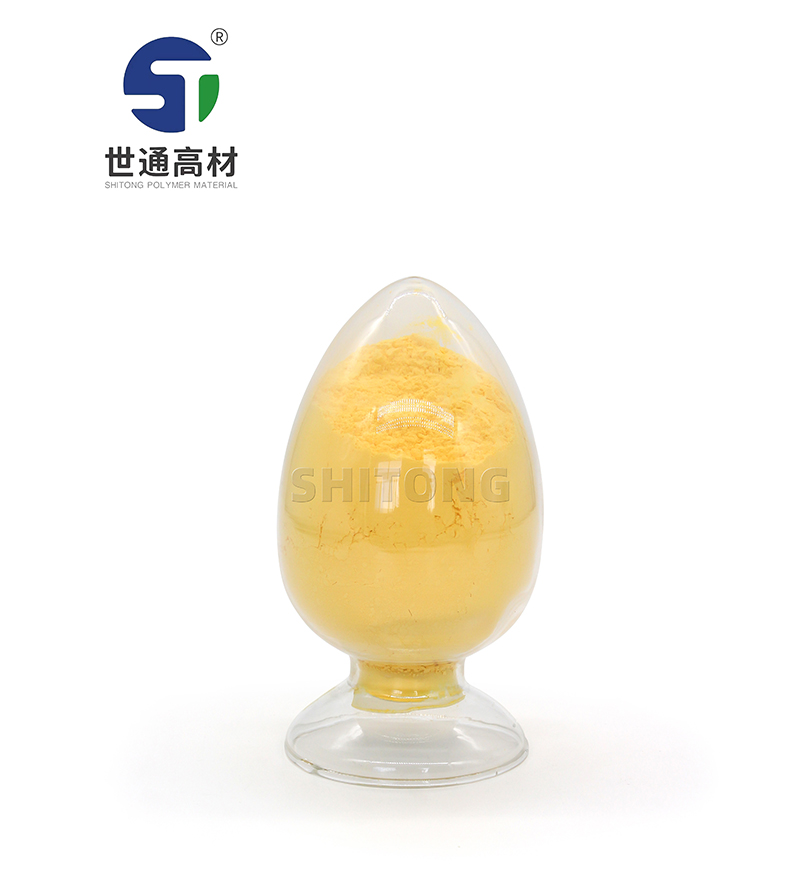
The AC blowing agent is suitable for PVC but less ideal for rubber. It provides good expansion in PVC but can cause issues in rubber formulations.
The AC blowing agent works well with PVC. It helps create a lightweight material that maintains strength. PVC expands when the blowing agent is added. This expansion provides insulation and reduces material costs.
Rubber faces challenges with AC blowing agents. The blowing agent can affect the rubber’s elasticity and durability. When included in formulations, it may result in weakened performance.
1. Gather materials: PVC resin, AC blowing agent, and other additives.
2. Mix: Combine the materials in a specific ratio, typically 80% PVC to 4-8% blowing agent.
3. Heat: Heat the mixture to activate the blowing agent.
4. Molding: Pour the mixture into molds to form the desired shape.
5. Cooling: Allow the molded PVC to cool before removing from the mold.
1. Assess: Review the rubber formulation to determine compatibility.
2. Select alternatives: Choose other blowing agents that enhance rubber properties.
3. Mix: Combine rubber resin and chosen blowing agent according to specifications.
4. Testing: Conduct tests to ensure performance meets standards before production.
| Material | Blowing Agent | Performance Characteristics | Common Applications |
|---|---|---|---|
| PVC | AC Blowing Agent | Good expansion, lightweight, durable | Pipes, insulation materials |
| Rubber | Not suitable with AC | Weak elasticity, reduced durability | Seals, tires |
In conclusion, the AC blowing agent is suitable for PVC but not for rubber. Understanding the differences in compatibility is essential for manufacturers. Selecting the right blowing agent ensures that the final product meets the required standards of quality and performance. Thus, careful evaluation is necessary when deciding to use the AC blowing agent in various applications.
The AC blowing agent is a chemical used to create a lightweight, foamed product in materials like PVC.
No, it is not recommended for use in rubber as it can compromise the material's properties.
It helps in expanding the material, making it lightweight and cost-effective while enhancing strength.
Higher temperatures activate the blowing agent, leading to better expansion in PVC but can harm rubber.
Yes, there are other blowing agents that are more suitable for rubber and maintain its performance.
Consider the specific material properties, compatibility, and desired performance outcomes when choosing.
Hot Product
We are seeking reliable and trustworthy partners to grow our business together and establish long-term relationships. Feel free to contact us to explore partnership opportunities.


