


Low-temperature impact testing for PVC pipe formulas is critical for ensuring material durability. PVC pipes are used in many applications, but their performance can be affected by temperature. If the pipes become brittle in cold weather, they can break easily. Understanding the impact modifier can help improve the toughness of PVC. This is important for both manufacturers and consumers. An effective impact modifier will enhance the mechanical properties of PVC, making it less likely to fail under stress. The right choice of material can make a significant difference.
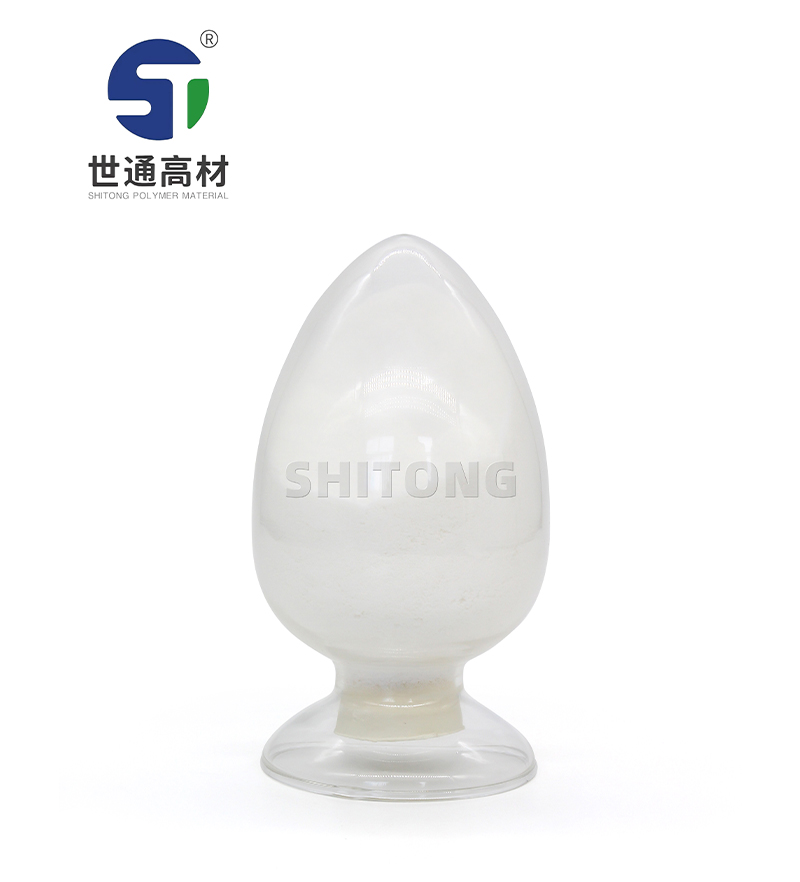
Low-temperature impact testing helps determine how PVC pipes respond to cold environments. By using different impact modifiers, manufacturers can enhance the toughness of PVC pipes, making them more reliable. This testing is crucial for products used in extreme weather.
Low-temperature impact testing is essential for several reasons:
Testing ensures that pipes can withstand stress without cracking. This is vital for maintaining the integrity of plumbing systems.
Pipes that pass low-temperature tests are more dependable. This reliability is important for both residential and commercial applications.
Many industries have standards that require impact testing. Compliance helps companies avoid legal issues and meet customer expectations.
Impact modifiers play a key role in improving PVC performance:
Common types include acrylonitrile-butadiene-styrene (ABS) and ethylene-vinyl acetate (EVA). Each type offers different benefits.
Impact modifiers work by absorbing energy during an impact. This absorption reduces the chance of fracture in cold conditions.
Choosing the right modifier depends on the intended application and environmental conditions. For instance, outdoor pipes may require more robust modifiers.
| Step | Description |
|---|---|
| 1 | Prepare PVC samples with different impact modifiers. |
| 2 | Cool samples to the test temperature, typically -10°C or lower. |
| 3 | Apply impact forces to the samples using standardized equipment. |
| 4 | Record and analyze the results, looking for signs of brittleness or cracking. |
The impact testing results have various practical implications:
Reliable PVC pipes are crucial for water management systems in colder regions.
Pipes that perform well under low temperatures minimize maintenance costs for builders.
Household items, such as fittings or toys made from PVC, must also pass rigorous impact tests for safety.
Low-temperature impact testing for PVC pipe formulas is essential for ensuring the long-term performance and reliability of pipes. Properly selected impact modifiers can significantly enhance the toughness of PVC. This makes the materials suitable for various applications, especially in colder climates. Ultimately, understanding impact testing and modifiers helps manufacturers create better products.
It determines how PVC pipes perform in cold conditions and helps prevent failures.
Impact modifiers are materials added to PVC to improve its toughness and impact resistance.
Samples are cooled and subjected to impact forces, with results analyzed for any damage.
They enhance the durability and reliability of PVC products in various environments.
Common types include ABS and EVA, each providing different benefits for PVC.
Lower temperatures can make PVC brittle, increasing the risk of breakage under stress.
Hot Product
We are seeking reliable and trustworthy partners to grow our business together and establish long-term relationships. Feel free to contact us to explore partnership opportunities.


