


The impact modifier for pvc plays a crucial role in enhancing the performance of window profiles. Without proper levels, these profiles can become brittle and break easily. This poses a significant challenge for manufacturers who aim to deliver durable and reliable products. Many struggle with balancing flexibility and strength in PVC, leading to reduced product lifespan. Understanding the right impact modifier levels is key. Optimizing these can improve toughness and create longer-lasting window profiles.
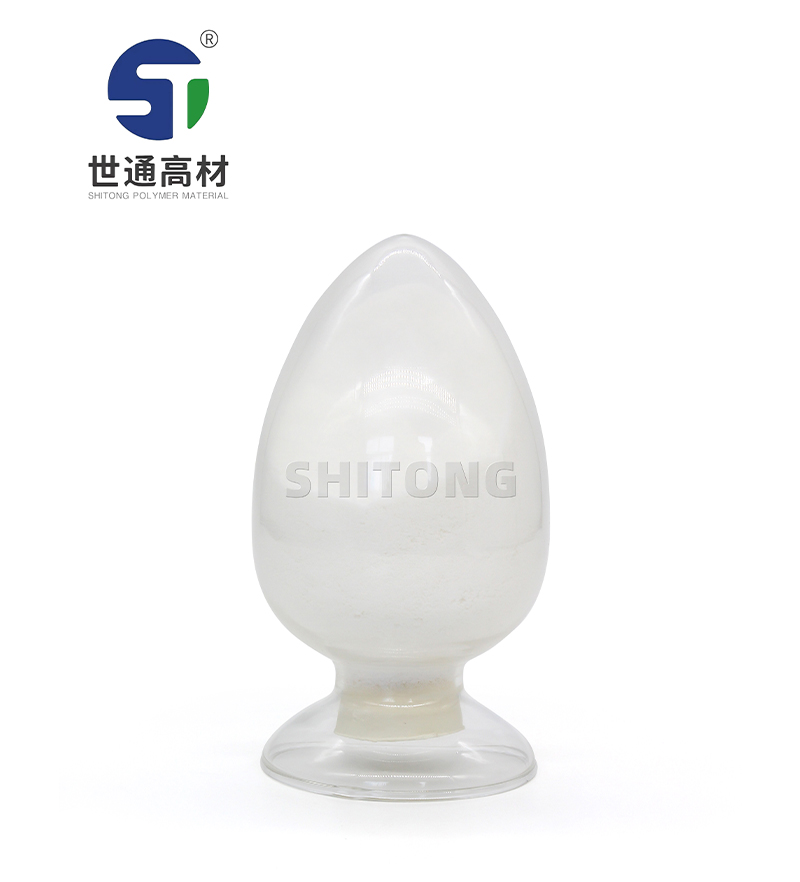
To optimize impact modifier levels for PVC window profiles, maintain a balance between flexibility and rigidity. Using the correct type and quantity of impact modifier will enhance the mechanical properties of the PVC material, making it more resilient. Manufacturers can achieve better performance by fine-tuning these levels based on specific applications and environmental conditions.
Impact modifiers improve the toughness of PVC, making it more resilient against impacts and preventing fractures.
Common types of impact modifiers include acrylic modifiers, MBS (Methyl Methacrylate-Butadiene-Styrene) modifiers, and others. Each has unique properties that can be selected based on desired performance.
The amount of impact modifier added to PVC should be determined through testing. Too much can reduce strength, while too little can increase brittleness.
Standard testing methods like Izod impact testing and tensile strength testing should be used to find the right balance of impact modifiers in PVC formulations.
Manufacturers should adhere to industry standards, like ASTM and ISO specifications, to ensure that their PVC window profiles meet safety and performance criteria.
In conclusion, optimizing impact modifier levels for PVC window profiles is essential for producing durable and effective products. By carefully selecting and testing different types and levels of impact modifiers, manufacturers can enhance the toughness and overall resilience of their profiles. This not only meets customer expectations but also ensures long-lasting performance against various environmental challenges.
1. What is an impact modifier? An impact modifier is an additive used in PVC to improve its toughness and flexibility.
2. Why are impact modifiers necessary for PVC window profiles? They prevent brittleness and breakage, ensuring safety and longevity.
3. How do I select the right impact modifier? Consider the specific application and conduct testing to determine the best type and level.
4. What are common types of impact modifiers? Acrylic modifiers and MBS modifiers are widely used in the industry.
5. How can I test the effectiveness of impact modifiers? Use mechanical testing methods such as Izod impact testing and tensile strength testing.
6. Are there regulations on impact modifiers? Yes, manufacturers must follow industry standards like ASTM and ISO to ensure compliance.
Hot Product
We are seeking reliable and trustworthy partners to grow our business together and establish long-term relationships. Feel free to contact us to explore partnership opportunities.


