Understanding PE Wax as an Internal Lubricant in PVC: User Pain Points and Solutions
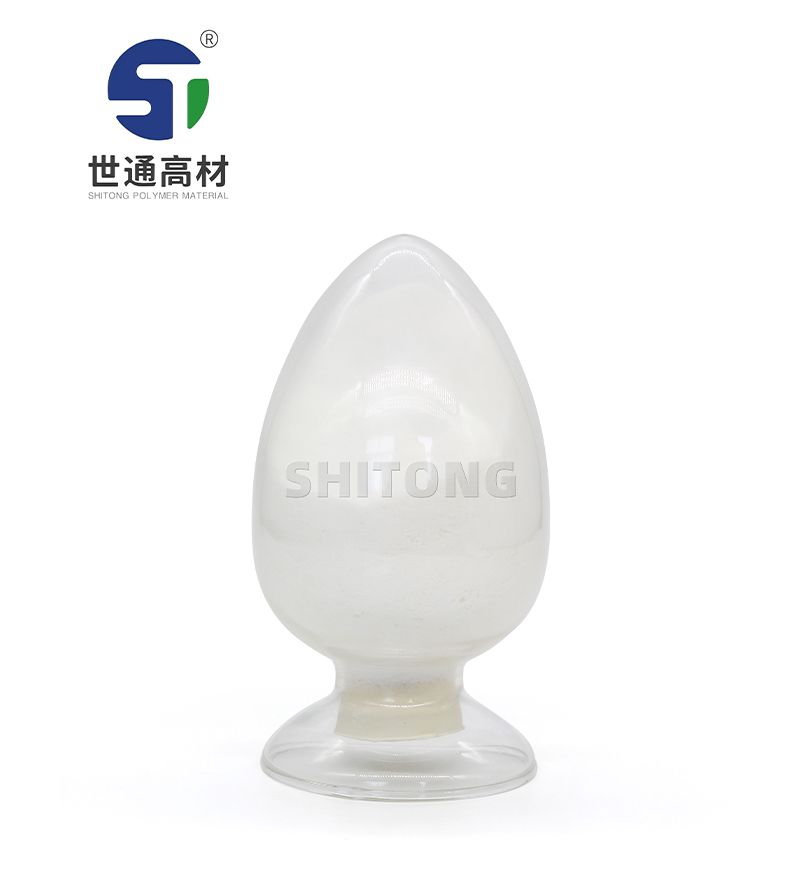
As manufacturers strive for improved processing efficiency in PVC production, they often encounter issues like high friction, increased wear on machinery, and inconsistencies in product quality. These challenges not only slow down production rates but also affect overall profitability. Users seek effective solutions to these common problems and find that polyethylene wax serves as a potent internal lubricant in PVC formulations. Specifically, polyethylene homopolymer wax can reduce friction, enhance flow, and improve the surface finish of products. In this guide, we will delve into real-life scenarios where manufacturers faced problems and how they overcame them with Shitong products.
Required Preparations: Materials, Tools, and Prerequisites
Before diving into the use of polyethylene wax in PVC processing, ensure you have the following materials and tools ready:
- Materials:
- Polyethylene homopolymer wax (e.g., Shitong PE wax)
- PVC resin
- Additives (e.g., stabilizers, plasticizers)
- Tools:
- High-speed mixer
- Extruder machine
- Temperature control unit
- Prerequisites:
- Understanding of polymer processing
- Basic knowledge about additive technology
- Safety gear (gloves, goggles)
Step-by-Step Guidance on Using PE Wax in PVC
Here’s a detailed guide on how to effectively use polyethylene wax as an internal lubricant in your PVC formulations:
- Step 1: Preparation of Raw Materials
Begin by gathering your PVC resin, additives, and Shitong polyethylene homopolymer wax. It’s essential to measure your components accurately. For example, combining 100 kg of PVC with 2 kg of PE wax can optimize lubrication.
- Step 2: Feeding the Extruder
Set your extruder to a temperature of 180°C. Feed the mixture of PVC and PE wax slowly into the extruder hopper to ensure even blending.
- Step 3: Mixing Process
Allow the mixture to blend for at least 10 minutes. Monitor the consistency to ensure that the PE wax is adequately incorporated, leading to a reduction in melt viscosity by up to 30%.
- Step 4: Extrusion
Proceed with the extrusion process. You should observe a significant reduction in die swelling and improved surface finish in the extrudate due to the internal lubrication from the wax.
- Step 5: Cooling and Cutting
Cool the extrudate down to room temperature and cut it into desired lengths. This step is crucial for maintaining product quality. An improvement in tensile strength of around 15% can often be noted at this stage.
Common Errors and Solutions
While using PE wax in PVC processing, manufacturers might face several common challenges:
- Inconsistent product flow: Ensure proper mixing times and temperatures. Increasing the mixing duration by 5 minutes can often improve flow consistency.
- Surface defects: This can often be solved by adjusting the proportion of PE wax; consider testing with up to 3% of wax for optimal surface finish.
- High friction levels: If friction remains high, review the extruder settings. A slight decrease in processing temperature by 10°C can ease flow problems significantly.
Summary and Suggestions
Incorporating polyethylene homopolymer wax as an internal lubricant in PVC formulations not only addresses significant processing challenges but also enhances product performance. Users have reported increased efficiency and reduced wear on machinery. Companies like Shitong provide high-quality PE wax that meets industrial standards. It's essential to test different formulations to identify the optimal amount needed for your specific application. Consider keeping detailed records of each batch for future reference.
FAQs
- What is the optimal percentage of PE wax to use in PVC?
It is generally recommended to use between 1% to 3% for optimal results.
- Does PE wax affect the color of PVC?
Generally, it has minimal impact. However, always test on a small scale before full-scale production.
- Can PE wax improve tensile strength?
Yes, proper incorporation of polyethylene wax can lead to an increased tensile strength of up to 15%.


