


Oxidized Polyethylene Wax plays a crucial role in preventing PVC melt overheating. When PVC is processed, it can reach high temperatures that cause degradation. This can affect product quality and performance. Using oxidized polyethylene wax can help manage the heat during processing. It improves the thermal stability of PVC and minimizes discoloration. It also aids in processing efficiency, making it a valuable ingredient for manufacturers.
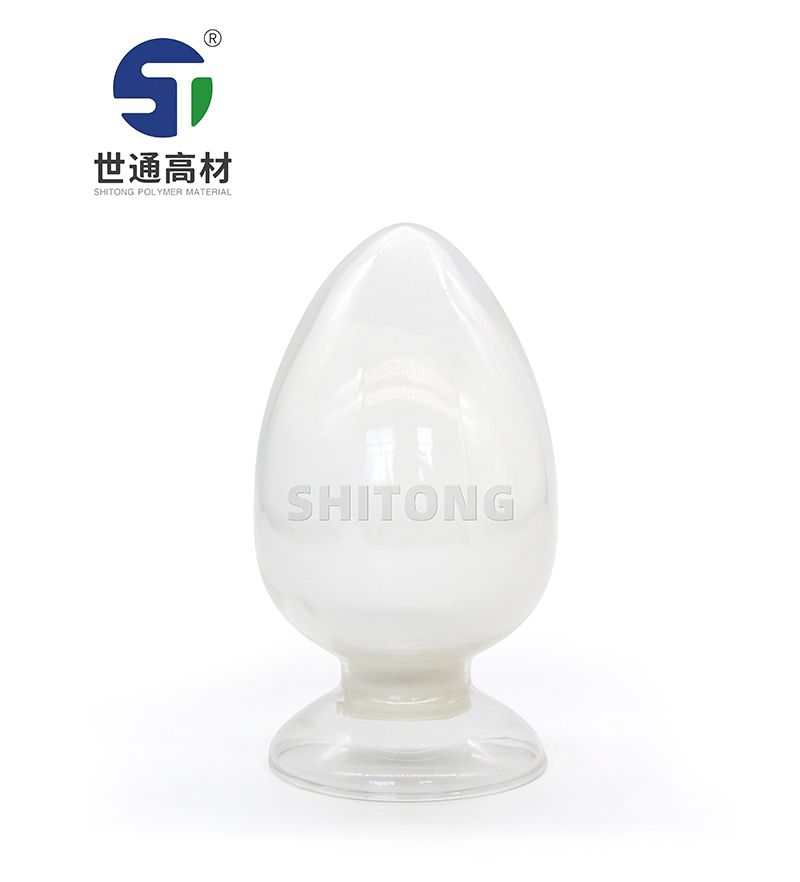
Oxidized polyethylene wax effectively prevents PVC melt overheating by enhancing thermal stability and improving processing conditions.
Understanding the benefits of oxidized polyethylene wax can help manufacturers make informed choices. Here are the main advantages:
Oxidized polyethylene wax provides significant thermal stability to PVC. It helps to maintain product integrity during processing.
By managing temperatures effectively, this wax reduces the risk of scorching. This means fewer defects in finished products.
Using oxidized polyethylene wax can streamline the PVC processing cycle. It lowers the energy required to maintain optimum temperatures.
This wax helps in maintaining consistent colors in PVC products. It prevents discoloration that can occur from overheating.
With better thermal management, equipment experiences less wear and tear. This extends the lifespan of production machinery.
Investing in oxidized polyethylene wax can lead to cost savings in the long run. Better processing conditions mean less waste and higher yields.
Using oxidized polyethylene wax is straightforward. Follow these steps for best results:
Ensure that all equipment is clean and functions properly. Proper preparation is essential for seamless integration.
Add the oxidized polyethylene wax to the PVC mixture. A recommended percentage is typically between 1% to 2% based on total weight.
Process the PVC mixture as usual. Monitor temperatures closely to ensure they remain within optimal ranges.
After processing, conduct quality checks. Look for any discoloration or defects to ensure that the oxidized polyethylene wax has worked effectively.
The role of oxidized polyethylene wax in preventing PVC melt overheating is vital for maintaining product quality. By improving thermal stability and processing efficiency, this wax not only prevents defects but also enhances overall production. Utilizing oxidized polyethylene wax can significantly benefit manufacturers dealing with PVC materials.
Oxidized polyethylene wax is a modified form of polyethylene wax that has enhanced properties for industrial applications.
It acts as a thermal stabilizer, minimizing heat-related issues during the melting of PVC.
Typically, 1% to 2% of oxidized polyethylene wax is recommended based on the total weight of the PVC material.
Yes, it helps maintain color consistency and reduces the chances of discoloration during processing.
Yes, by improving processing efficiency, it can lead to reduced energy consumption, translating into cost savings.
Oxidized polyethylene wax is considered safe for use in various applications, but always check for specific safety regulations related to your location.
Hot Product
We are seeking reliable and trustworthy partners to grow our business together and establish long-term relationships. Feel free to contact us to explore partnership opportunities.


