


The shelf life and storage conditions for chemical blowing agents are crucial for maintaining their effectiveness. Chemical blowing agents are used in various applications, including the production of foamed plastics. Understanding how to store these agents properly can prevent issues such as loss of potency or inefficient foaming. Proper storage conditions include the right temperature and humidity, which can impact the stability and performance of these agents. With the right knowledge, you can ensure the longevity of your chemical blowing agents. 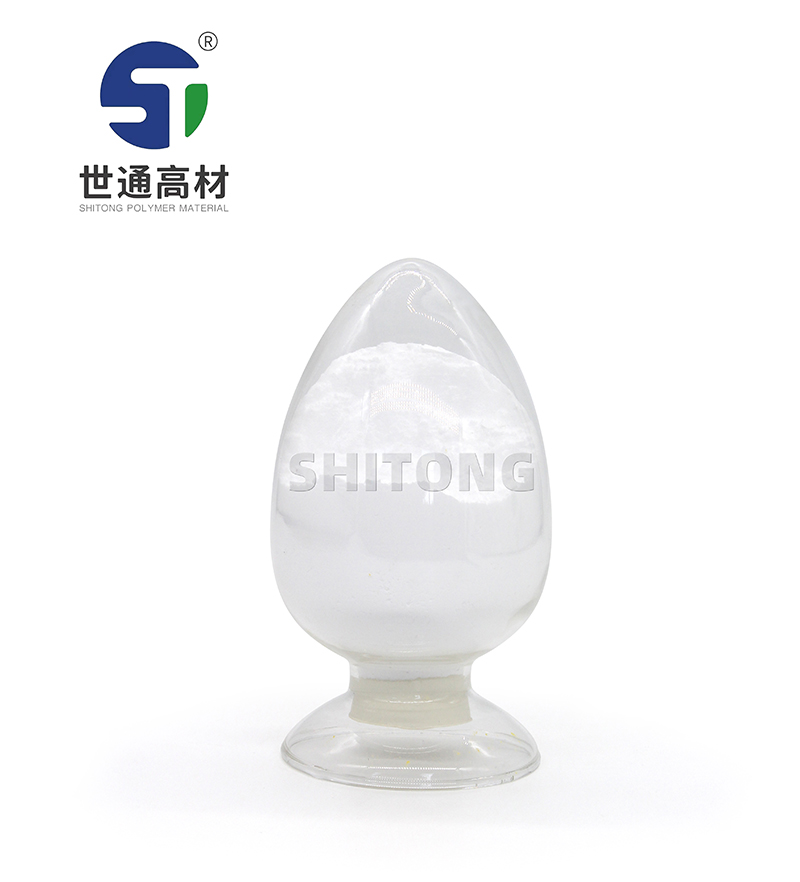
The shelf life of chemical blowing agents typically ranges from one to three years if stored properly. They should be kept in a cool, dry place and away from direct sunlight to maximize their lifespan.
Storing chemical blowing agents at high temperatures can lead to premature degradation. It is recommended to keep them at temperatures below 30°C.
High humidity can also negatively affect these chemicals. Ideal humidity levels should be kept below 50% to avoid reactions that could weaken the blowing agents.
Long-term exposure to oxygen can oxidize chemical blowing agents. Using airtight containers can minimize this risk and extend shelf life.
Temperature plays a significant role in the shelf life of chemical blowing agents. Aim to keep the storage temperature between 15°C and 25°C for best results.
Choose appropriate storage containers that are airtight and UV-resistant. These characteristics help protect against moisture and light that can degrade the products.
Regularly check the condition of stored chemical blowing agents. Look for signs of clumping or changes in appearance to catch potential issues early.
| Type of Blowing Agent | Shelf Life | Storage Temperature | Notes |
|---|---|---|---|
| Azo Blowing Agents | 1-3 years | 15-25°C | Stable in proper containers. |
| Bicarbonate Blowing Agents | 1-2 years | Below 30°C | Affected by humidity. |
| Hydrazine-Based Agents | 6 months-1 year | 15-25°C | High sensitivity to moisture. |
In summary, the shelf life and storage conditions for chemical blowing agents are critical to their effectiveness. Proper storage can extend their life and efficiency. By following the recommended guidelines, you can ensure that your chemical blowing agents remain active and ready for use. Awareness of the factors affecting shelf life, such as temperature, humidity, and oxygen exposure, is vital for success in your applications.
Q1: What is the ideal storage temperature for chemical blowing agents?
A1: The ideal storage temperature range is between 15°C and 25°C.
Q2: How can humidity affect chemical blowing agents?
A2: High humidity can cause reactions that degrade the effectiveness of the agents.
Q3: How often should I inspect stored chemical blowing agents?
A3: Regular inspections are recommended to check for changes in condition or signs of degradation.
Q4: Can sunlight affect the shelf life of chemical blowing agents?
A4: Yes, exposure to sunlight can degrade the agents, so they should be stored in opaque containers.
Q5: Is there a difference in shelf life among different types of chemical blowing agents?
A5: Yes, different types of agents have varying shelf lives based on their chemical properties.
Q6: What should I do if a blowing agent appears clumpy?
A6: If a blowing agent appears clumpy, it may be degraded. Consider replacing it for optimal results.
Hot Product
We are seeking reliable and trustworthy partners to grow our business together and establish long-term relationships. Feel free to contact us to explore partnership opportunities.


