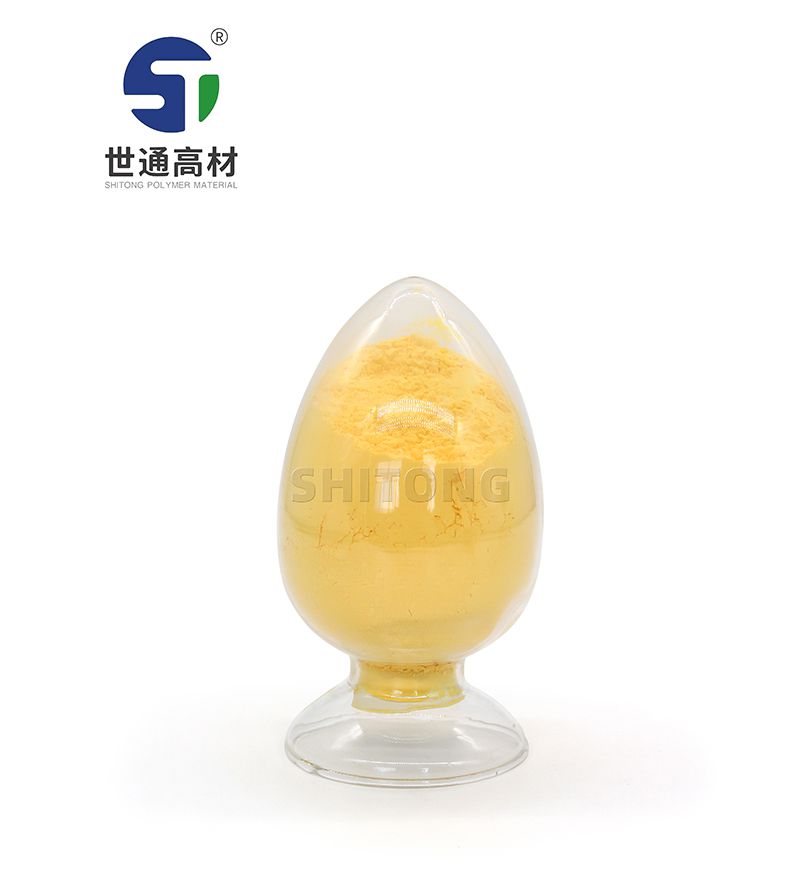
In the production of PVC wallboard, certain additives play a critical role in enhancing the properties and performance of the final product. These additives can significantly influence durability, fire resistance, flexibility, and aesthetic appeal, making them invaluable for manufacturers and businesses alike. Understanding which additives are essential for PVC wallboard production not only improves product quality but also enhances market competitiveness.
Historically, PVC wallboards have gained popularity due to their versatility and resistance to moisture and chemicals. The evolution of PVC technology has introduced a wider range of additives that address varying market needs, driven by innovation and changing consumer demands. Essential to this production process are stabilizers, plasticizers, fillers, impact modifiers, and fire retardants. Each additive has its specific purpose, contributing to the overall performance of the wallboards.
In practical applications, the significance of these additives cannot be overstated. For instance, stabilizers help in preventing thermal degradation during the manufacturing process, while plasticizers provide the desired flexibility, easing installation and versatility in applications. Additionally, fire retardants are crucial in enhancing safety, especially in environments where high fire resistance is required, adhering to industry standards such as ASTM E84 and DIN 4102. Ultimately, the right combination of additives not only meets performance expectations but also complies with regulations, offering assurance to both manufacturers and end-users.
Common misconceptions surrounding PVC wallboard additives often stem from a lack of understanding of their specific roles. One prevalent error is assuming that all additives can be mixed without consideration of their chemical interactions. For example, using incompatible fillers with specific plasticizers might result in undesired properties like brittleness or lack of adhesion. It's crucial to recognize that each additive must be carefully selected based on the desired attributes of the final product.
To illustrate this point, consider a case study from Shitong, a leading manufacturer in the industry. They implemented the use of high-quality ADC blowing agents in combination with specialized PVC additives, resulting in wallboards that not only met but exceeded the performance standards set by ASTM and DIN regulations. The outcome was a product with enhanced thermal insulation and lightweight properties, achieving a 30% reduction in shipping costs and an overall increase in market share.
In summary, understanding the additives required for PVC wallboard production is vital for manufacturers to develop superior products that align with industry standards and consumer expectations. By utilizing the right combination of additives like stabilizers, plasticizers, and fire retardants, businesses can ensure their PVC wallboards outperform competitors in both quality and safety. Encouraging manufacturers to delve deeper into the science of additives will ultimately lead to innovation and excellence in their product offerings. For more insights into additive selection, explore further resources at Shitong's website.
Hot Product
We are seeking reliable and trustworthy partners to grow our business together and establish long-term relationships. Feel free to contact us to explore partnership opportunities.