


In the competitive world of PVC profile extrusion, the effectiveness of pvc external lubricants has become a game-changer. With industries striving to enhance product quality while minimizing production challenges like die buildup, understanding the right external lubricants is critical. Recent findings reveal that using PVC external lubricants can reduce die buildup by up to 60%, addressing common pain points faced by manufacturers. The importance of selecting the right lubricant can’t be overstated, as it not only improves flow but also influences the overall efficiency and quality of the final product. In this article, we will explore the significance of PVC external lubricants and how they solve prevalent issues in the extrusion process.
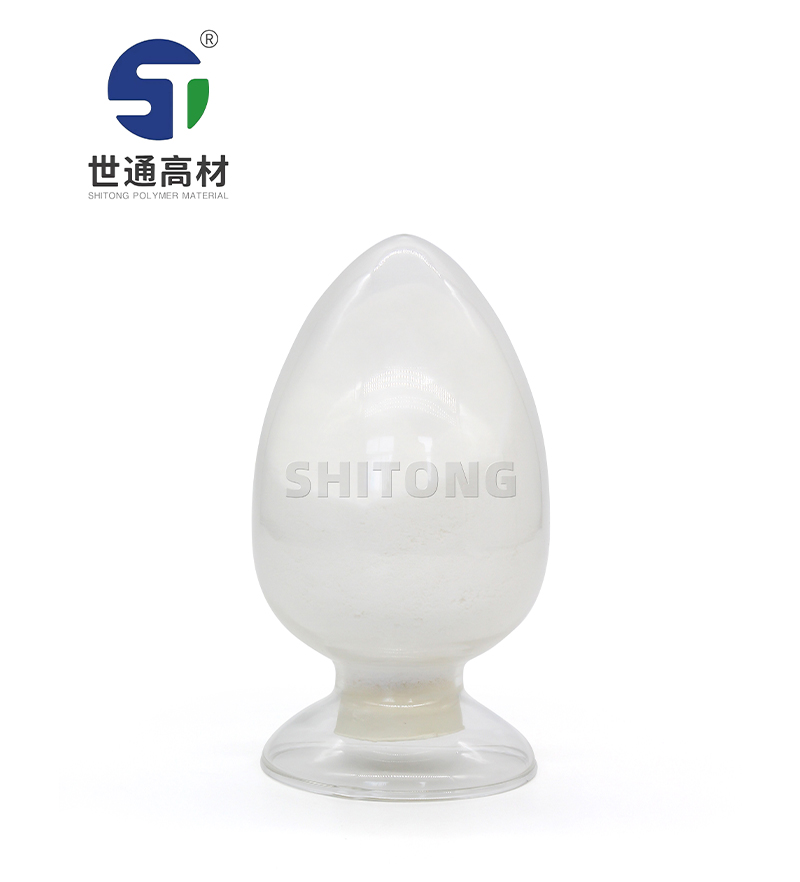
PVC external lubricants are additives used in the processing of polyvinyl chloride (PVC) to improve the flow properties of the material during extrusion and molding. These lubricants assist in reducing friction and wear on the machinery while also preventing material buildup that can occur in dies and other processing equipment. In the industry, these lubricants are classified primarily as internal or external. External lubricants are formulated to work on the surface of the PVC resin, decreasing the coefficient of friction. Industry professionals utilize terms such as "processing aids" and "fugitive lubricants" to describe their functionality, highlighting their role in ensuring smooth operation and product quality.
PVC external lubricants find applications across various fields, including:
The versatility of these lubricants makes them critical in industries where precision and efficiency are paramount.
The importance of PVC external lubricants can be underscored by their substantial benefits, which include:
Incorporating these lubricants reduces maintenance costs and downtime while ensuring that end products meet the high expectations of customers.
For manufacturers looking to optimize their PVC extrusion processes, it is crucial to understand the nuances of selecting and using PVC external lubricants effectively. For a deeper dive, we recommend reading the user guide provided by Shitong. This resource offers comprehensive insights into the features and application methods of various PVC external lubricants.
Q1: How do I choose the right PVC external lubricant?
A1: Selecting the right PVC external lubricant involves understanding the specific requirements of your extrusion process, the type of PVC being processed, and the desired physical properties of the final product.
Q2: Can PVC external lubricants affect the color of the extruded product?
A2: Yes, certain lubricants can influence the final color. It is essential to choose lubricants that are compatible with colorants used in production.
Q3: How often should I change the lubricant during production?
A3: The frequency of changing lubricants depends on production volume and the specific lubricant used, but it is advisable to monitor equipment conditions regularly to determine the optimal timing.
Q4: Are Shitong PVC external lubricants environmentally friendly?
A4: Shitong has developed several formulations that prioritize environmental sustainability without compromising performance excellence.
In summary, gaining a thorough understanding of PVC external lubricants can significantly impact your manufacturing efficiency and product quality. By embracing the right solutions, manufacturers can mitigate common issues such as die buildup and enhance overall production capabilities. For those new to the subject or looking to refine their approach, consider exploring the offerings from Shitong to see firsthand how their products can revolutionize your process.
Hot Product
We are seeking reliable and trustworthy partners to grow our business together and establish long-term relationships. Feel free to contact us to explore partnership opportunities.


