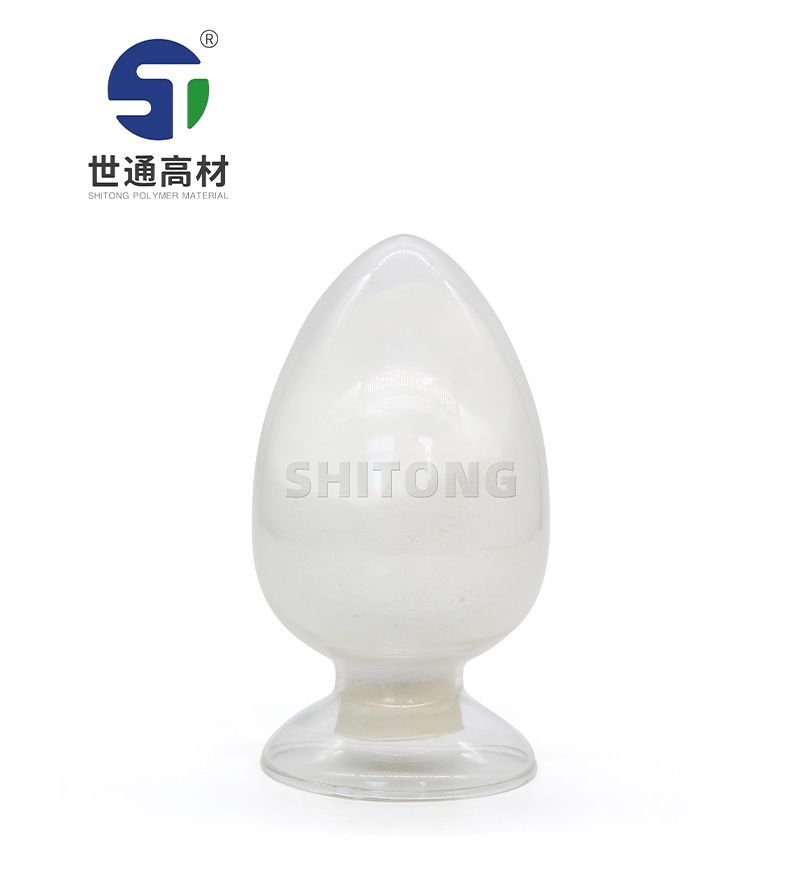
AC, or azodicarbonamide, is a chemical compound widely recognized as a yellow blowing agent employed in the production of foamed plastics. Its primary utility lies in generating a cellular structure within materials, making them lighter, flexible, and thermally insulated. For businesses in the manufacturing and construction sectors, AC serves as a catalyst for product innovation, enhancing product performance while reducing costs, ultimately providing a competitive advantage.
Originating from the desire to improve material processing in the mid-20th century, azodicarbonamide has become integral in various industries. Initially developed for use in rubber and plastics, its versatility has since expanded to encompass applications in food packaging, insulation materials, and even surface coatings. Over the years, AC has evolved in its formulation, transitioning from a complex chemical to a standard industry component due to its effectiveness and safety profile.
The significance of AC as a yellow blowing agent is underscored by its practical applications. In the footwear industry, for instance, AC is utilized in the production of lightweight, impact-resistant soles. This results in shoes that not only offer comfort but also enhanced longevity. Similarly, in the furniture sector, it contributes to the manufacture of cushions and padding, providing essential ergonomic support while minimizing weight. Its usage conforms to stringent standards such as ASTM D1924 and DIN ISO 179-1, ensuring quality and safety for consumers.
Despite its advantages, there are common misconceptions regarding azodicarbonamide. A prevalent myth is that AC is harmful due to its association with certain health concerns; however, when used correctly within regulated parameters, it is deemed safe. Misunderstandings about its environmental impact also exist, with many believing that products containing AC are non-recyclable. In reality, many companies have adopted sustainable practices to enable the recycling of products made with AC under controlled conditions.
To illustrate its effectiveness, consider a case study involving Shitong, a leader in manufacturing yellow blowing agents. By utilizing AC in their production processes, Shitong improved the structural integrity of their foamed plastic components by 30%, while also achieving a 20% reduction in production costs. This strategic application not only enhanced performance but also solidified their market position as an innovator in the industry.
In summary, AC (azodicarbonamide) yellow blowing agent is pivotal for creating lightweight, durable materials across multiple sectors, including manufacturing, construction, and consumer goods. Understanding its role, benefits, and myths can empower businesses to make informed decisions about their production processes. As industries continue to seek efficiency and innovation, exploring the capabilities of AC can lead to significant enhancements in product offerings and consumer satisfaction. For further information, consider visiting Shitong's website for resources or consultation on integrating AC into your manufacturing strategies.
Hot Product
We are seeking reliable and trustworthy partners to grow our business together and establish long-term relationships. Feel free to contact us to explore partnership opportunities.