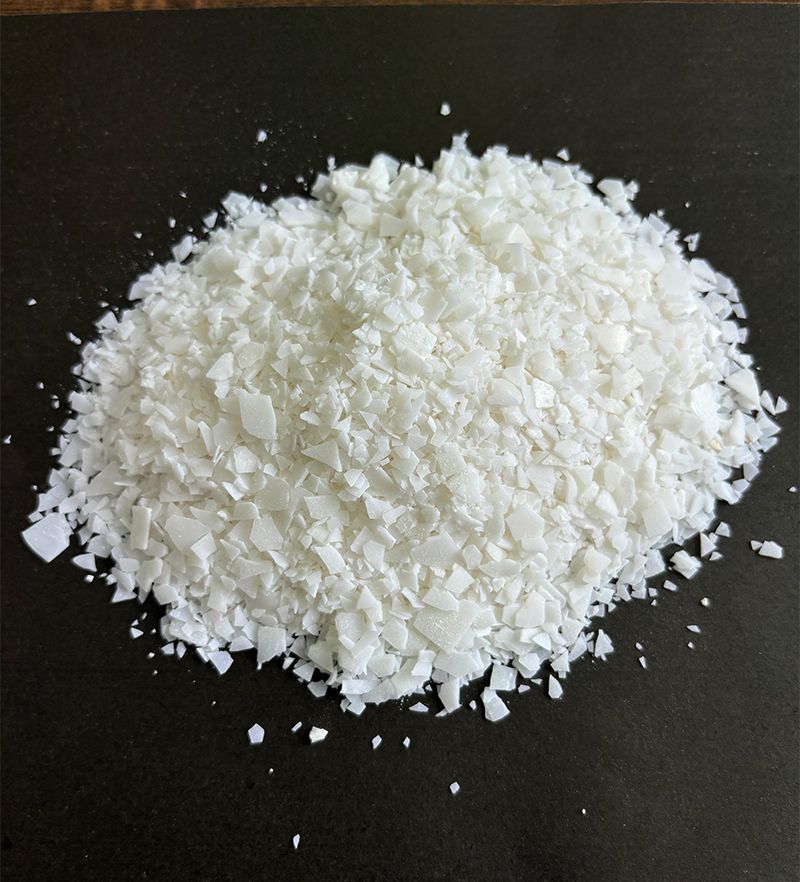
AC blowing agents are essential compounds used in various industrial processes to create foamed structures, primarily in the production of lightweight materials such as plastics and rubber. Their primary function is to introduce gas bubbles into the material, resulting in a cellular structure that enhances thermal insulation, mechanical properties, and overall material performance. For businesses in manufacturing and construction, understanding the application and significance of AC blowing agents—particularly those like yellow blowing agent from Shitong—can lead to improved product efficiency and potential cost savings.
The history of AC blowing agents dates back to the mid-20th century when the industry saw a significant shift toward lightweight construction materials. The advancement of polymers and plastics led to the exploration of various chemical pathways that enrich these materials with desirable physical properties. Over time, companies developed a range of blowing agents that cater to specific needs, adhering to quality standards such as ASTM D3418 and DIN EN 13130-1, ensuring reliable performance in various applications.
In real-world applications, AC blowing agents play a pivotal role in several sectors, including automotive, construction, and consumer goods. For instance, in the automotive industry, lightweight composites containing AC blowing agents lead to increased fuel efficiency and reduced emissions. In construction, they provide substantial insulation properties, aligning with energy conservation regulations and enhancing the lifespan of structures. Overall, the introduction of AC blowing agents like those offered by Shitong not only improves product performance but also complies with sustainability goals and regulatory standards across industries.
However, misconceptions regarding AC blowing agents persist, particularly regarding their safety and environmental impact. Some believe that the incorporation of these agents can compromise product integrity, while others fear their potential contribution to hazardous waste. In reality, when used correctly and in adherence to industry standards, AC blowing agents undergo rigorous testing, ensuring they pose no threat to product safety or environmental health. Moreover, the adoption of newer, eco-friendlier blowing agents is paving the way for sustainable manufacturing practices.
Consider the case of a leading construction company that integrated yellow blowing agent in their insulation panels. By implementing Shitong’s advanced AC blowing agent technology, they achieved a 30% reduction in weight while enhancing the thermal classification to meet and exceed local energy performance benchmarks. This directly led to a higher demand for their panels, demonstrating the palpable benefits of using high-quality blowing agents.
In summary, AC blowing agents, particularly high-performance options such as the yellow blowing agent by Shitong, are invaluable in creating lightweight, efficient, and environmentally conscious products across multiple industries. Understanding the true role and advantages of these compounds assists businesses in making informed decisions for their manufacturing processes. For those looking to elevate their product offerings and meet the demands of modern industry standards, exploring the applications and benefits of AC blowing agents is a crucial next step. To dive deeper into the topic, consider visiting Shitong's website for comprehensive information on their products and solutions.
Hot Product
We are seeking reliable and trustworthy partners to grow our business together and establish long-term relationships. Feel free to contact us to explore partnership opportunities.