


In the ever-evolving world of material science, acrylic impact modifiers (AIMs) have emerged as a crucial component in enhancing the performance of polyvinyl chloride (PVC) compounds. Not only do these modifiers improve the mechanical properties of PVC, but they also expand its applications across various industries. From construction materials to consumer products, AIMs play a vital role in making PVC more durable and versatile. Recent data shows that by incorporating acrylic impact modifiers into PVC, companies have observed a significant increase in product resilience, with impact resistance improved by over 30% in various applications.
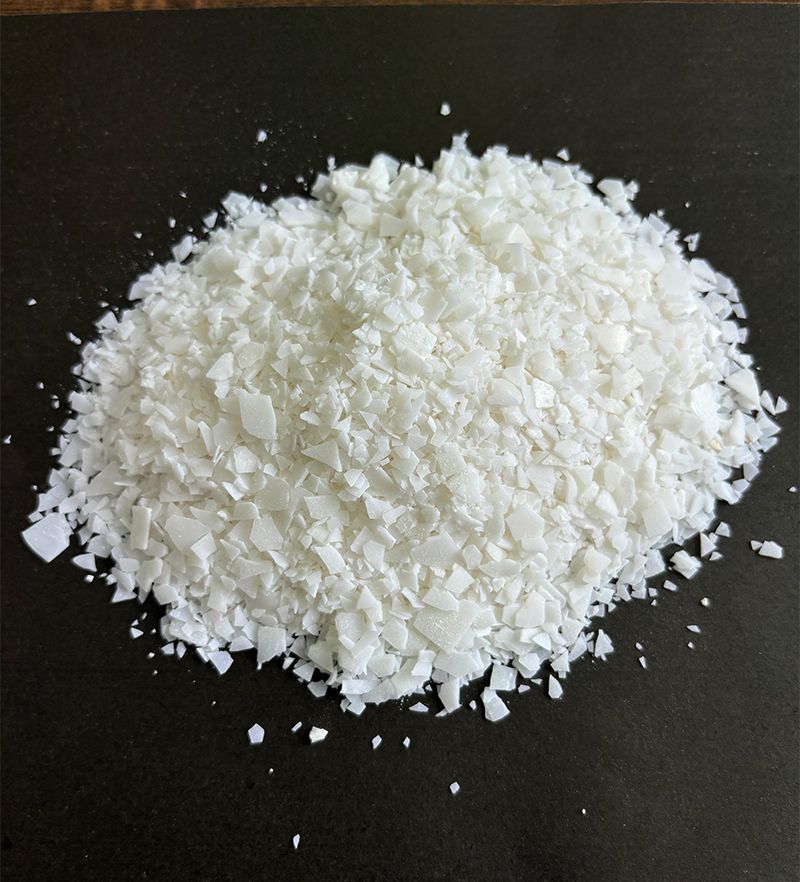
Acrylic impact modifiers are materials added to PVC to enhance its toughness and flexibility without compromising other important characteristics. Technically, they function by modifying the physical properties of the PVC resin through blending, resulting in a composite that displays improved impact resistance and ductility. The industry often categorizes these modifiers based on their composition, such as core-shell structures that are meant to absorb energy during impact.
Acrylic impact modifiers find application in a broad spectrum of industries, including:
These modifiers enable manufacturers to produce high-quality products that can resist cracking, breaking, and deformation in real-world conditions.
The importance of acrylic impact modifiers in PVC applications cannot be overstated. They deliver several advantages:
Increased Toughness: Measurable improvements in impact resistance can lead up to 40% less material failure in testing conditions.
Enhanced Flexibility: AIMs help PVC withstand lower temperatures, maintaining its performance even when temperatures drop to -5°C without becoming brittle.
Cost-Effectiveness: By enhancing the longevity of the end product, manufacturers can reduce waste and lower replacement costs, which is a significant advantage in the competitive market landscape.
The integration of AIMs not only improves product performance but also ensures sustainability through less resource consumption.
For those looking to improve their PVC compounds through acrylic impact modifiers, a thorough review of user guides from manufacturers like Shitong is highly recommended. Engaging with product literature allows companies to understand specific formulation requirements and best practices in application.
1. What is the typical dosage of acrylic impact modifiers in PVC compounds?
Typically, manufacturers add 5-20% of AIMs to PVC formulations, depending on the desired mechanical properties.
2. Are there any health concerns associated with using acrylic impact modifiers?
Acrylic impact modifiers are generally considered safe when used as intended. However, it is always recommended to consult the safety data sheets.
3. Can acrylic impact modifiers be used in outdoor applications?
Yes, many acrylic impact modifiers are designed to withstand UV exposure, making them suitable for outdoor applications.
For those seeking to further understand acrylic impact modifiers in detail, or to trial high-quality products, explore offerings from Shitong. Their expertise can provide invaluable insights into optimizing your PVC formulations.
By understanding and utilizing acrylic impact modifiers, you can significantly enhance the performance of your PVC products, addressing industry demands for durability, flexibility, and cost-effectiveness.
Hot Product
We are seeking reliable and trustworthy partners to grow our business together and establish long-term relationships. Feel free to contact us to explore partnership opportunities.


