


Oxidized Polyethylene Wax has emerged as a crucial component in various industries, owing to its unique properties and versatility. As a polymer derived from the oxidation of polyethylene, it finds applications in coatings, inks, plastic additives, and more. With demand surging for sustainable plastic alternatives, oxidized polyethylene wax addresses pain points like thermal stability, wear resistance, and efficiency in manufacturing processes. In this article, we will explore the uses of oxidized polyethylene wax, its advantages, and its role in enhancing product performance across diverse sectors.
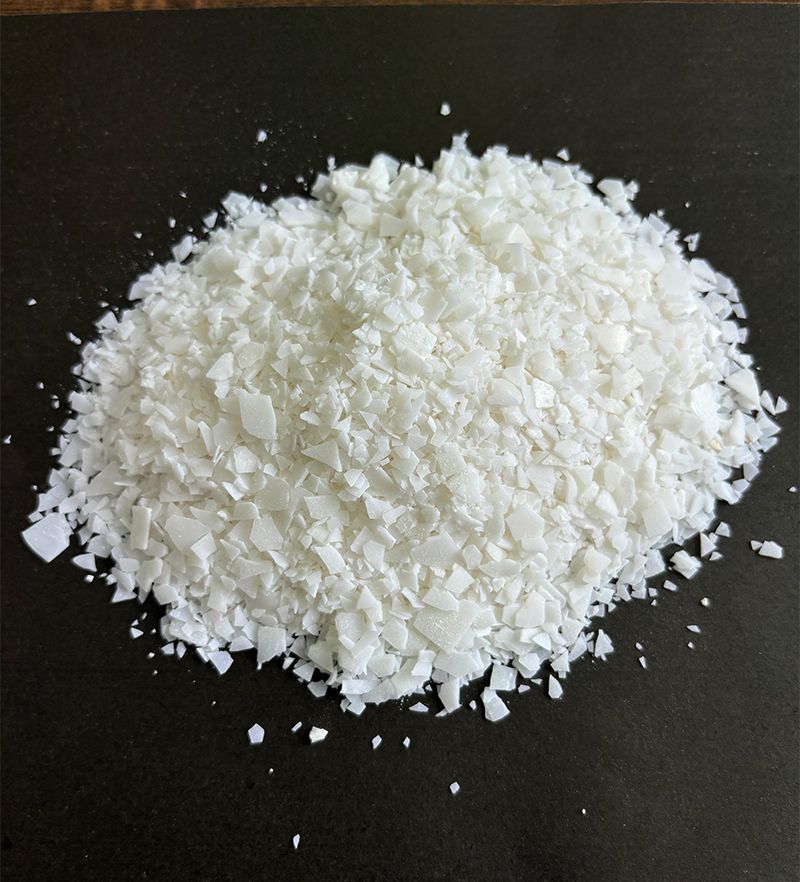
Oxidized polyethylene wax is a high-molecular-weight polymer that has undergone oxidation, which alters its physical and chemical properties. It typically features a melting point between 80 °C to 110 °C and exhibits excellent compatibility with a variety of resins and solvents. Classified as a non-toxic, environmentally safe material, it also operates as a lubricant and a dispersing agent in formulations.
From an industry perspective, oxidized polyethylene wax serves as a surface modifier, enhancing key attributes such as adhesion, gloss, and abrasion resistance. According to a report from the European Coatings Journal, "The use of oxidized polyethylene wax can improve the scratch resistance of coatings by up to 60%." This underscores the wax's value in manufacturing processes and product longevity.
Oxidized polyethylene wax is utilized across numerous industries:
This versatility is a driving force behind its increasing application in high-demand manufacturing sectors.
The importance of oxidized polyethylene wax lies in its multifaceted advantages:
These advantages contribute to the growing preference for oxidized polyethylene wax within high-performance applications, signifying its importance in modern manufacturing.
If you are considering experimenting with oxidized polyethylene wax, the next step is to consult specific user guides provided by manufacturers like Shitong. Understanding optimal ratios or formulations can significantly impact the efficacy of the wax in your products.
Q1: Is oxidized polyethylene wax environmentally safe?
Yes, oxidized polyethylene wax is non-toxic and compliant with safety regulations, making it a sustainable choice for various applications.
Q2: Can I use oxidized polyethylene wax in food packaging?
While it is generally recognized as safe, it is essential to check specific guidelines based on your regional regulations or consult suppliers for food-grade certifications.
Q3: How should oxidized polyethylene wax be stored?
It should be stored in a cool, dry place away from sunlight to maintain its quality and performance.
For those looking to deepen their understanding or trial formulations involving oxidized polyethylene wax, consider checking out products from the Shitong brand. Their extensive range of wax solutions is designed for various industrial applications and can serve as a practical starting point for integrating oxidized polyethylene wax into your processes.
In conclusion, oxidized polyethylene wax stands out as a vital component in modern manufacturing, enhancing product performance and addressing critical industry needs while promoting sustainable practices. Exploring this material could lead to significant improvements in various industrial products.
Hot Product
We are seeking reliable and trustworthy partners to grow our business together and establish long-term relationships. Feel free to contact us to explore partnership opportunities.


