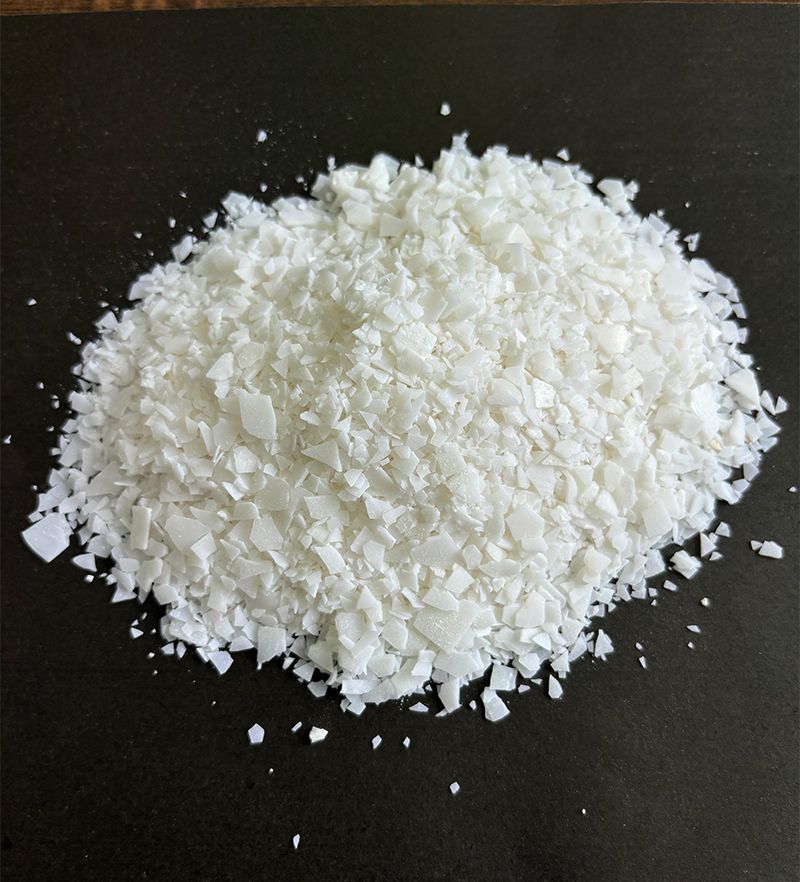
polyethylene homopolymer wax, often referred to as PE wax, is a vital ingredient in the plastics industry, known for its unique properties that enhance the performance of various plastic formulations. This type of wax acts as a processing aid and additive, improving machinability, surface finish, and overall product durability. For businesses, incorporating polyethylene homopolymer wax can lead to reduced production costs while enhancing product quality, making it an invaluable asset in any plastic manufacturing operation.
To understand the importance of polyethylene homopolymer wax, it’s essential to look at its background within the plastics industry. Though the industrial production of PE wax began gaining traction in the early 20th century, it wasn’t until advancements in polymer chemistry in the 1960s that the full spectrum of its applications was realized. Today, PE wax is a critical component in various sectors, including packaging, automotive, and consumer goods, demonstrating significant versatility and adaptability.
In practical applications, polyethylene homopolymer wax plays a multifaceted role. It serves as a lubricant, improving the flow of polymers during processing and allowing for faster production rates. Its low molecular weight contributes to a smooth surface finish and provides anti-blocking properties in films and packaging. Moreover, PE wax enhances gloss and scratch resistance in finished products, making it particularly valuable in consumer-facing applications. The value of this wax is underscored by its performance metrics, as additives can improve processing temperatures by up to 20 degrees Celsius, allowing for increased efficiency and reduced energy consumption.
Despite its benefits, there are common misconceptions about polyethylene homopolymer wax that can lead to underutilization. For instance, some manufacturers believe that using higher quantities will yield better results; however, excessive use can lead to processing difficulties and negatively impact the desired surface finish. Additionally, a misconception exists around the differences between PE wax and other polymer products, such as paraffin wax and microcrystalline wax, which are often confused due to their similar applications and physical characteristics.
To illustrate the practical impact of polyethylene homopolymer wax, consider a case study from Shitong, a leader in specialty additives for the plastics industry. They utilized PE wax in their product formulations, leading to a 25% increase in throughput while achieving compliance with ASTM D3418 standards for thermal analysis. This not only showcased the efficiency of PE wax but also emphasized its role in delivering products that meet stringent quality expectations.
In summary, polyethylene homopolymer wax is indispensable in improving the quality and efficiency of plastic manufacturing processes. By understanding its functional applications, distinct advantages, and addressing prevalent misconceptions, businesses can leverage this material to optimize their operations. As interest in sustainable practices grows, exploring the use of high-quality polyethylene homopolymer wax, such as that offered by Shitong, is a strategic move for forward-thinking manufacturers looking to enhance their products and stay competitive. Dive deeper into the world of PE wax to see how it can revolutionize your production methods today!
For further insights, consider visiting Shitong to explore their range of products and applications of polyethylene homopolymer wax.
Hot Product
We are seeking reliable and trustworthy partners to grow our business together and establish long-term relationships. Feel free to contact us to explore partnership opportunities.