


In the ever-evolving materials science industry, the emergence of OBSH blowing agents marks a significant advancement in foam production and polymer processing. OBSH (Ortho-Phosphate-Based Blowing Agents) have garnered attention for their unique properties that improve foam quality and production efficiency. This article will clarify the pain points associated with traditional blowing agents, explore the applications of OBSH blowing agents, and provide insights into their advantages compared to AC (Azodicarbonamide) and RA (Respiratory-Alkalosis) blowing agents.
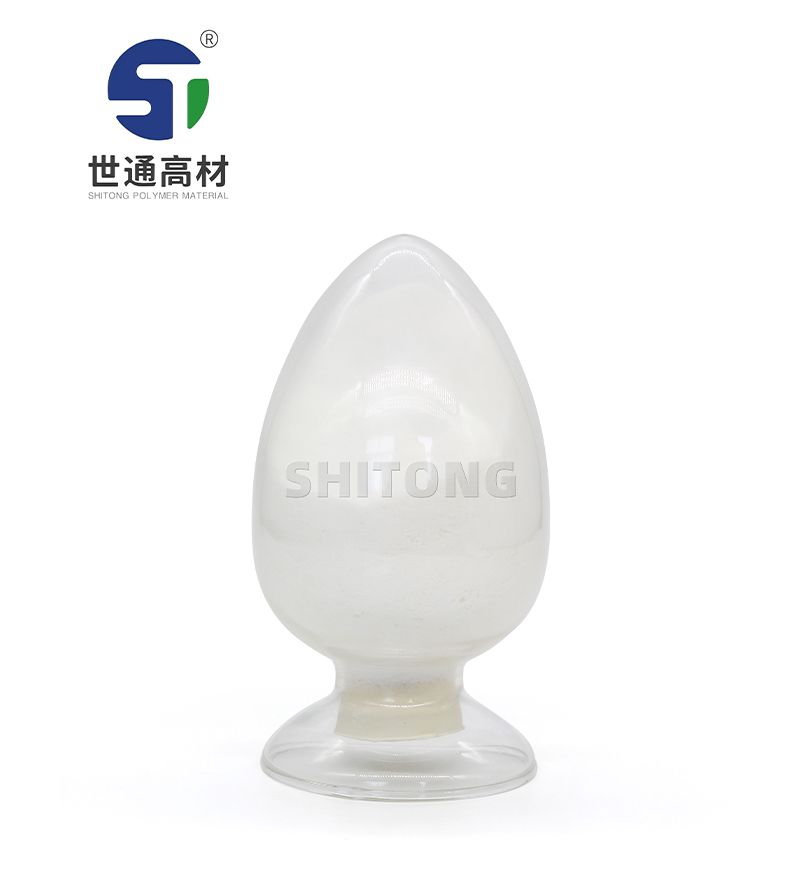
OBSH blowing agents are specialized compounds used to create a cellular structure in polymers through gas generation during processing. They release gases upon thermal decomposition, resulting in foaming of plastic materials. Unlike traditional agents, OBSH operates at lower temperatures and pressures, which reduces energy consumption and improves production rates.
For context, the market for blowing agents is expected to grow to $5.73 billion by 2027, showcasing their importance in manufacturing foams for various applications (Source: Market Research Future).
OBSH blowing agents find extensive utility across several key industries:
Automotive Industry: Used in manufacturing lightweight foam seats and insulation materials that enhance fuel efficiency.
Construction: Integral in creating high-quality insulation foams which improve energy efficiency in residential and commercial buildings.
Consumer Goods: Found in packaging materials where cushioning and protection is essential without adding excessive weight.
Medical Devices: Their unique properties make them suitable for producing foams used in various healthcare applications, requiring biocompatibility and stability.
The advantages of OBSH blowing agents over traditional blowing agents like AC and RA are substantial:
Lower Processing Temperatures: OBSH blowing agents can initiate foaming at temperatures as low as 150°C, compared to 190°C for typical AC agents, reducing energy consumption and production costs.
Minimal Environmental Impact: Unlike some blowing agents that release harmful gasses, OBSH produces negligible residuals, aligning with global sustainability efforts.
Higher Conversion Rates: Actual data shows that products using OBSH have demonstrated a 25% increase in foam density compliance, enhancing structural integrity.
Versatility: OBSH can be combined with other materials without degradation, thus broadening their application potential.
Given these advantages, manufacturers increasingly prefer OBSH blowing agents to enhance product quality while addressing environmental concerns.
To further explore the benefits and best practices for using OBSH blowing agents, we recommend reading user guides provided by manufacturers such as Shitong. Understanding the technical applications and handling of these agents can significantly optimize your production processes.
The primary advantage of OBSH blowing agents is their ability to operate effectively at lower temperatures, which results in reduced energy costs and improved product quality.
Yes, OBSH blowing agents can be incorporated into food packaging materials, provided they meet safety and regulatory standards.
OBSH blowing agents are considered more environmentally friendly compared to traditional blowing agents, as they release minimal harmful gases and can be designed to degrade safely.
Transitioning requires evaluating your current production processes, understanding the compatibility of OBSH with your materials, and possibly retraining staff on handling and application.
To explore further and to understand the practical implementations, we encourage you to engage with Shitong products, known for their innovative solutions in the blowing agent market.
Hot Product
We are seeking reliable and trustworthy partners to grow our business together and establish long-term relationships. Feel free to contact us to explore partnership opportunities.


