


PVC internal lubricant is essential for improving the processing of polyvinyl chloride. It helps in reducing friction during manufacturing, allowing smoother flow through machinery. Many manufacturers face challenges when it comes to working with PVC compounds. Choosing between internal and external lubricants can be confusing, especially when each has distinct properties. Internal lubricants enhance the material's performance while external ones lubricate the surface. The choice of lubricant can affect production efficiency, finished product quality, and cost. This is why understanding the differences is crucial in optimizing the PVC processing. 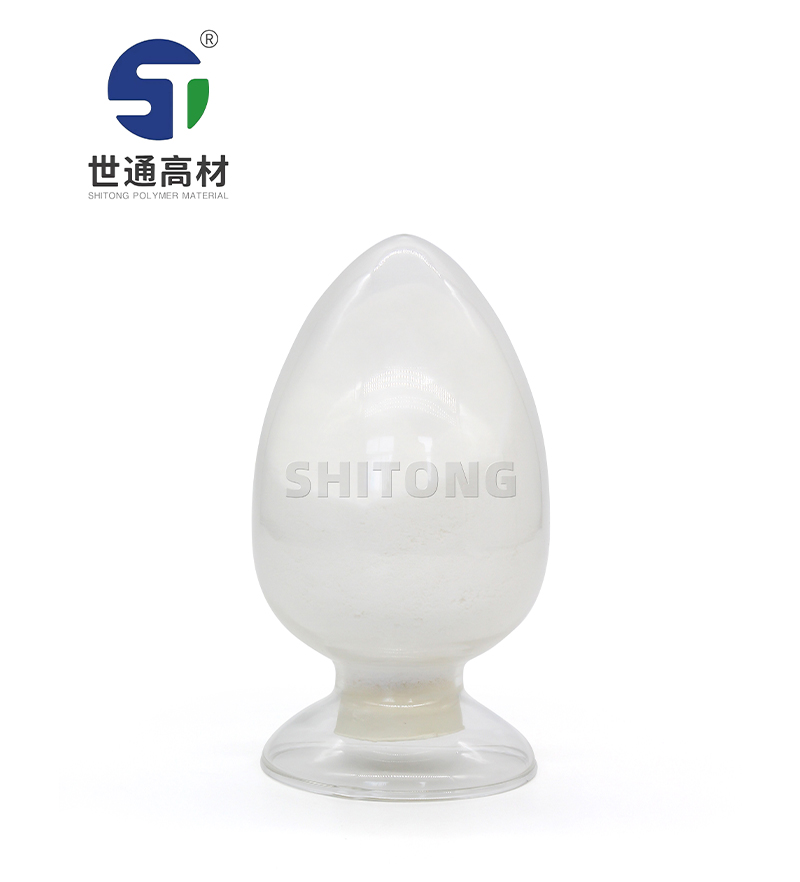
The main difference between internal and external lubricants for PVC lies in their application and function. Internal lubricants are mixed into the plastic during processing and improve flow and processing efficiency, while external lubricants are applied to the surface to reduce friction and enhance the product’s finish.
Internal lubricants are additives blended into PVC materials. They lower the viscosity and improve the compound's flow properties. Common types include fatty acid esters and metal soaps. Internal lubricants work by reducing friction between polymer chains during processing. They improve the material's thermal stability and overall finish.
External lubricants are coated onto the surface of PVC products post-processing. They aid in reducing friction in machinery and improve surface quality. Common examples include waxes and silicones. They provide a glossy finish and enhance ease of handling during the manufacturing process. External lubricants are usually not mixed with the compound during production.
| Feature | Internal Lubricants | External Lubricants |
|---|---|---|
| Application | Incorporated during processing | Applied to the surface after processing |
| Function | Enhances flow and processing | Reduces surface friction |
| Common Types | Fatty acids, metal soaps | Waxes, silicones |
| Impact on Quality | Improves thermal stability | Enhances surface finish |
Understanding your manufacturing process is key. Each process might require specific lubricants to achieve optimal results.
Think about what you want your finished PVC product to be like. Surface finish, thermal stability, and ease of processing are all important.
Evaluate the cost implications of various lubricants. Internal lubricants may reduce production time, while external ones enhance aesthetic appeal.
In conclusion, knowing the difference between internal and external lubricants for PVC is vital for efficient manufacturing. **Internal lubricants are mixed into the PVC to enhance flow and reduce friction during processing, while external lubricants are applied to improve surface characteristics.** Making an informed choice will lead to better production outcomes.
A1: Yes, you can use both types to achieve optimal performance and quality in PVC products.
A2: Yes, use internal lubricants during processing and external lubricants for enhancing surface properties post-manufacture.
A3: Assess your manufacturing process, end product requirements, and cost implications before making a decision.
A4: Some lubricants can affect recyclability; check with manufacturers for environmentally friendly options.
A5: Each lubricant type has a recommended dosage. Follow supplier guidelines for best results.
A6: Excessive lubricant may lead to defects or inconsistencies in the final product.
Hot Product
We are seeking reliable and trustworthy partners to grow our business together and establish long-term relationships. Feel free to contact us to explore partnership opportunities.


