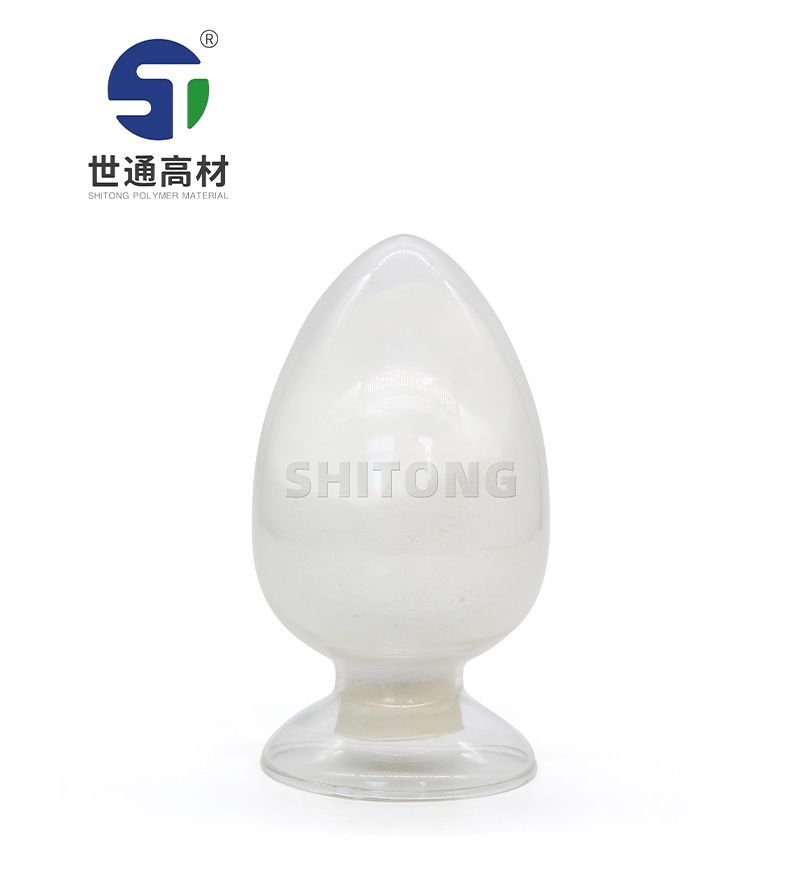
In the world of material processing, particularly in industries like plastics and foamed products, understanding the difference between Foaming Regulators and blowing agents is crucial. A foaming regulator is a chemical additive that controls the formation and stability of bubbles during the foaming process, while a blowing agent is a substance that generates gas to create foam in materials. Businesses need both to achieve optimal outcomes in foam density and quality, ensuring their products meet stringent market standards.
Historically, foam technology has evolved significantly since the 20th century. Initially focused on basic expansion processes, innovations introduced complex interactions between blowing agents and regulators. This evolution has led to refined practices using modern foaming agents that comply with industry standards like ASTM D3418 for thermoplastic foam. Today, the choice of foaming regulators and blowing agents is essential for quality assurance and competitive performance in industries such as automotive, construction, and packaging.
The practical applications of these components are manifold. Foaming regulators, such as those offered by Shitong, are pivotal in maintaining consistent foam structure, thus enhancing product durability. For instance, in the production of flexible polyurethane foams, the right foaming regulator can influence the recovery rate and texture—adding significant value to the final product by improving user experience and longevity. Conversely, blowing agents like HCFCs and HFOs are instrumental in the initial foam formation, effectively reducing product weight while maintaining thermal insulation properties. Together, they ensure production efficiency and compliance with environmental regulations, making them indispensable for manufacturers aiming for excellence.
However, misconceptions abound regarding these substances. Many manufacturers mistakenly think that using a potent blowing agent alone is sufficient for quality foam. This oversight often results in inconsistencies, such as uneven density or compromised structural integrity. Clarifying this misconception, both foaming regulators and blowing agents work in a symbiotic manner. A comprehensive understanding allows for precise formulation adjustments—an essential expertise that Shitong provides through their in-depth consultation services.
To illustrate, consider a case study involving Black Diamond Foam Company. By integrating Shitong’s foaming regulators with their existing blowing agents, they improved foam stability by 30% and reduced production waste by 15%. Their products not only surpassed competitors in quality but also achieved sustainability certifications due to enhanced material formulation. This highlights the synergistic effect of using both components effectively in a cohesive production strategy.
Ultimately, whether you’re a manufacturer or a product developer, knowing what's the difference between a foaming regulator and a blowing agent, and do I need both? is essential. Incorporating both will not only streamline your production process but also elevate your product quality to meet rigorous industry benchmarks. As you continue your journey toward foam technology excellence, consider delving deeper into the options available through Shitong. For more tailored solutions, visit shitonggaocai.com and discover the possibilities in foam technology that could transform your business.
Hot Product
We are seeking reliable and trustworthy partners to grow our business together and establish long-term relationships. Feel free to contact us to explore partnership opportunities.