


PVC Internal Lubricant plays a crucial role in improving the melt flow of PVC compounds. When extruding or molding PVC materials, a common challenge is managing the melt viscosity. This often leads to difficulties in processing. Using the right lubricant can help reduce friction and improve flow characteristics. Proper use of internal lubricants also enhances the quality of the final product. In this article, we will explore when and how to use PVC internal lubricant effectively.
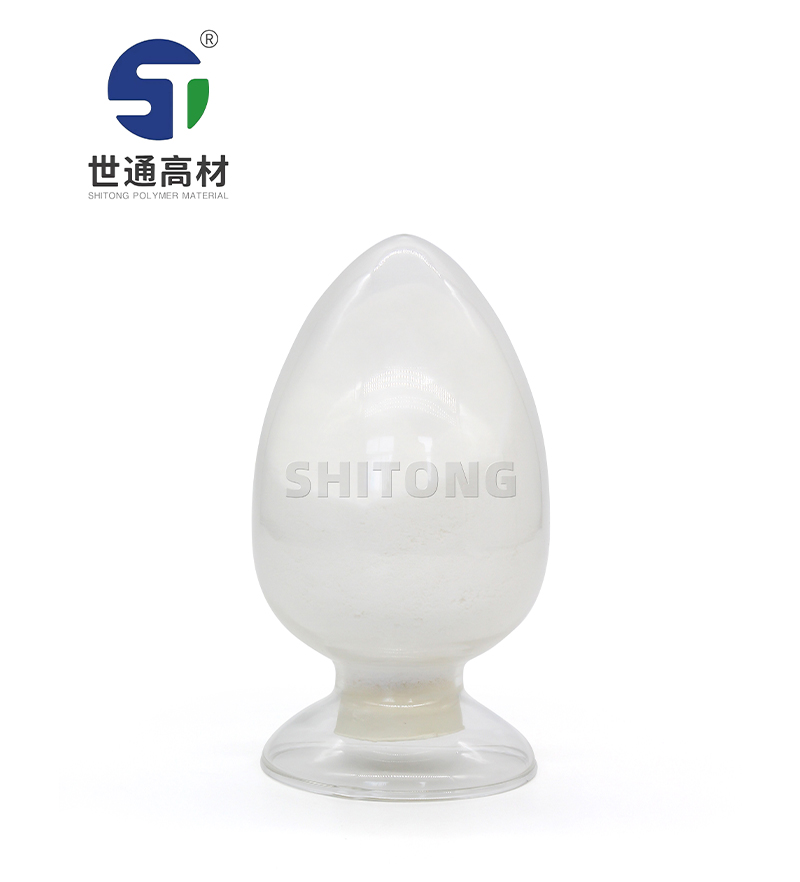
The best time to use PVC internal lubricant is during the processing stage of PVC production. It helps to achieve optimal melt flow and product quality.
Internal lubricants help in reducing the friction between the PVC pellets and the machinery. This leads to a smoother processing experience and faster production rates.
Lubricants create a protective layer within the PVC mixture. This results in fewer surface defects and better aesthetics in the final product.
By lowering the viscosity of the melt, internal lubricants require less energy to process. This can lead to significant cost savings over time.
The extrusion of PVC requires optimal melt flow for uniform shapes. Using an internal lubricant at this stage ensures a smoother flow through the die.
For intricate designs, lubricants help the material fill molds completely. This minimizes the risk of defects like voids or incomplete filling.
In scenarios where temperatures rise significantly, adding lubricant helps maintain the appropriate flow properties of PVC, preventing degradation.
The type of PVC resin used affects lubricant selection. Different grades of PVC require specific formulations to achieve optimal performance.
Understanding temperature, speed, and pressure during processing is crucial. Use lubricants that perform well under the specific conditions you expect.
Always ensure that the internal lubricant works well with other additives in your compound. Incompatible substances can lead to poor product performance.
Using PVC internal lubricant is essential for achieving optimal melt flow during processing. It enhances efficiency, product quality, and energy savings. Knowing when and how to use these lubricants can make a significant difference in the production of PVC materials.
1. What are the main benefits of using PVC internal lubricant?
It improves melt flow, reduces energy consumption, and ensures better surface quality.
2. Can internal lubricant affect the final product?
Yes, using the right lubricant can significantly enhance the quality and appearance of the final product.
3. Are all internal lubricants the same?
No, different types of PVC and processing conditions require specific lubricants for optimal performance.
4. How do I know when to add the internal lubricant?
It should be added during the processing stage for the best results, especially during extrusion and molding.
5. Is it necessary to test different lubricants?
Yes, testing can help you find the best lubricant for your specific application and conditions.
6. What should I consider when choosing an internal lubricant?
Consider the type of PVC, processing conditions, and compatibility with other additives to make the best choice.
Hot Product
We are seeking reliable and trustworthy partners to grow our business together and establish long-term relationships. Feel free to contact us to explore partnership opportunities.


