


Choosing the right blowing agent is crucial for many manufacturers. One common question is: Which blowing agent produces less odor, AC or OBSH? Blowing agents are important in making various materials, especially in the foam industry. Odor can be a significant issue, impacting customer satisfaction. AC, or Ammonium Carbonate, and OBSH, or Olefin Blowing Agent, are two popular options. Understanding their differences can help you make an informed decision.
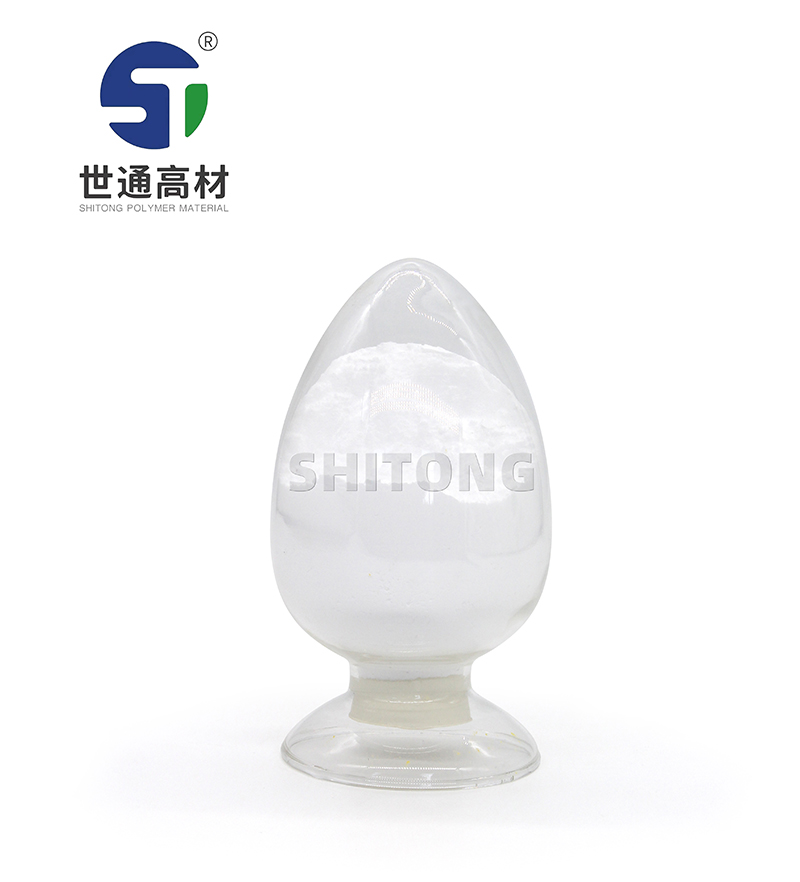
**OBSH produces less odor than AC**. This makes it a better choice for applications where smell is a concern.
Research indicates that AC emits a stronger odor during the foaming process. This can lead to complaints from customers and can affect product acceptance. In contrast, OBSH produces minimal odor, making it suitable for sensitive applications.
AC is often used in less odor-sensitive products, such as certain types of insulation. Conversely, OBSH is preferred in applications like food packaging, where odor can affect the product quality.
When considering the environmental impact, OBSH is generally regarded as more eco-friendly. It has lower emission levels and reduces the carbon footprint associated with production.
Usually, OBSH may have a higher initial cost than AC. However, when considering long-term benefits, such as customer satisfaction and smaller complaints, OBSH might prove to be the more cost-effective option.
In conclusion, when comparing AC and OBSH in terms of odor production, it is clear that OBSH is the better option. This blowing agent minimizes unpleasant smells and offers various environmental benefits. Choosing OBSH over AC can lead to improved product acceptance and customer satisfaction.
1. What is a blowing agent? A blowing agent is a substance that can generate gas to create foam in materials like plastics and rubbers.
2. Why is odor important in choosing a blowing agent? Odor can directly affect customer experience and product appeal.
3. Are there alternatives to AC and OBSH? Yes, other alternatives exist, but they may differ in performance, odor, and environmental impact.
4. How do I choose the right blowing agent for my needs? Consider factors like odor, application, environmental impact, and cost.
5. Can the choice of blowing agent affect my production process? Yes, different blowing agents can influence production efficiency and product quality.
6. Where can I learn more about blowing agents? Research industry publications and consult with manufacturers for expert advice.
Hot Product
We are seeking reliable and trustworthy partners to grow our business together and establish long-term relationships. Feel free to contact us to explore partnership opportunities.


