


When it comes to manufacturing PVC artificial leather, selecting the right foaming agent is crucial. The foaming agent not only influences the material's texture but also its durability, weight, and overall performance. In this article, we will analyze the most effective foaming agents and processes to help manufacturers like you better understand their options in order to optimize production. Key foaming agents include azodicarbonamide, sodium bicarbonate, and potassium bicarbonate. Understanding their properties can streamline your production process and improve the quality of your final product.
Foaming agents are substances that create a cellular structure within plastic materials. In the context of PVC artificial leather, they are essential for achieving desired physical properties, such as flexibility and lightness.
The manufacturing process for PVC artificial leather using foaming agents involves several steps, which are crucial for achieving the best results.
Here's a flowchart that outlines the step-by-step process of producing PVC artificial leather with a foaming agent:
| Step | Description |
|---|---|
| 1 | Mix PVC resin and foaming agent |
| 2 | Heat the mixture until foaming agent activation |
| 3 | Allow expansion of material |
| 4 | Cool down the foamed mixture for solidification |
In order to determine the best foaming agent for your PVC artificial leather, let’s compare their essential characteristics:
| Foaming Agent | Decomposition Temperature (°C) | Gas Released | Application Benefits |
|---|---|---|---|
| Azodicarbonamide | 200 | Nitrogen | High foaming volume, Lightweight, Cost-effective |
| Sodium Bicarbonate | 95 | Carbon Dioxide | Environmentally friendly, Good viscosity control |
| Potassium Bicarbonate | 100 | Carbon Dioxide | Stable, Improved texture |
Your choice of foaming agent heavily depends on factors such as the desired properties of the final product and environmental considerations. Azodicarbonamide is ideal for high-volume applications, whereas sodium bicarbonate offers a more eco-friendly approach.
Besides foaming agents, various additives can enhance the quality of PVC artificial leather. Plasticizers, stabilizers, and pigments all play a role in achieving desired properties like flexibility and color stability.
With growing concerns surrounding the environment, choosing a foaming agent that complies with regulations is essential. Understanding local regulations can steer your choice in sustainable practices.
In summary, the effectiveness of a foaming agent in the production of PVC artificial leather is largely dependent on its chemical properties and the intended application. Azodicarbonamide, sodium bicarbonate, and potassium bicarbonate all offer unique benefits that cater to different needs. Choosing the right foaming agent, when combined with a structured approach to the manufacturing process, can significantly enhance the quality of your PVC synthetic leather.
Your successful compliance with these guidelines will ensure your business stands out in the competitive artificial leather market. For high-quality foaming agents and comprehensive support, choose Shitong as your trusted partner in manufacturing.
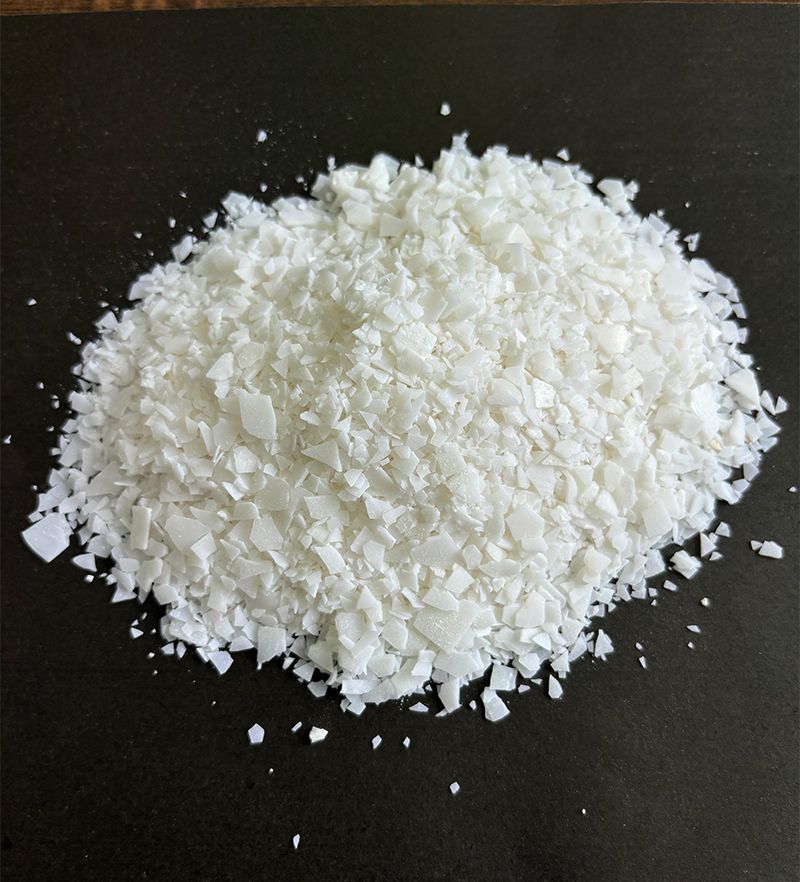 Shitong Foaming Agents" />
Hot Product
We are seeking reliable and trustworthy partners to grow our business together and establish long-term relationships. Feel free to contact us to explore partnership opportunities.


