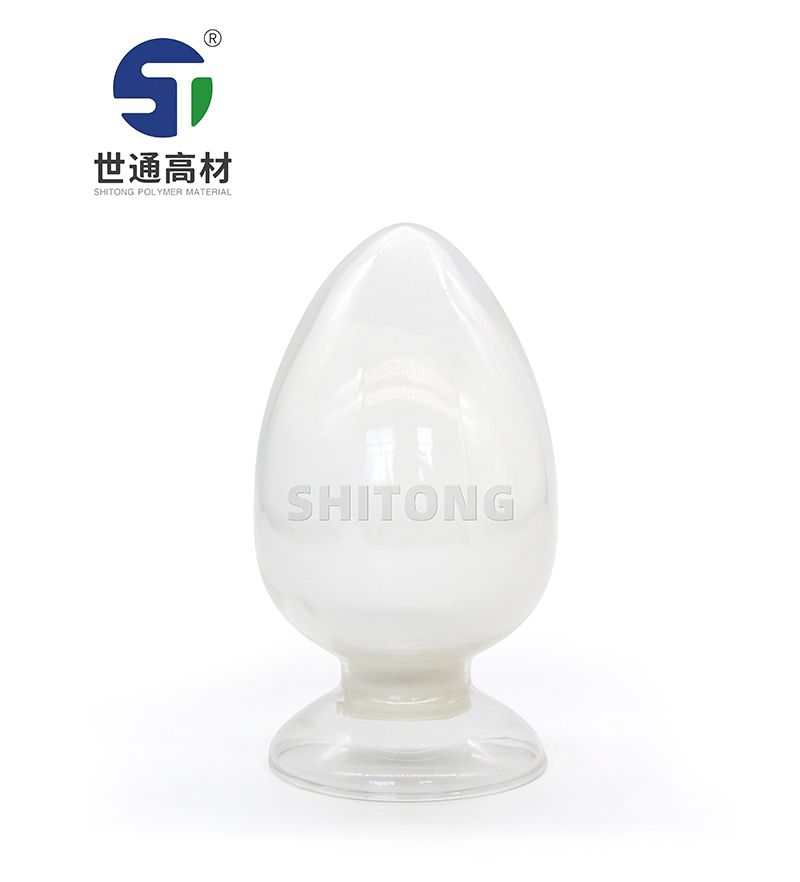
RA foaming agent is a specialized chemical compound used to create cellular structures within materials, primarily in the manufacturing of lightweight concrete, plastics, and various types of composites. These agents enable the production of products that are not only lighter but also possess enhanced insulation properties. For businesses, incorporating RA foaming agents can lead to significant cost savings in materials and transportation, while simultaneously improving product performance.
To understand RA foaming agents, one must look back at their evolution in industrial applications. The genesis of these agents can be traced to the development of lightweight construction materials, which gained traction during the mid-20th century. Industries recognized the potential to enhance material strength while reducing weight, which catapulted the usage of foaming agents like RA into the spotlight. This evolution reflects a broader trend of innovation aimed at sustainability and efficiency in production processes.
The practical applications of RA foaming agents are vast, significantly impacting various sectors. For instance, in the construction industry, RA foaming agents are employed to produce lightweight concrete blocks, which can reduce construction costs by up to 20%. In the automotive sector, they are integral in the manufacture of component parts that meet stringent weight reduction mandates to improve fuel efficiency.
Despite their advantages, there are notable misconceptions regarding RA foaming agents. One prevalent myth is that using foaming agents compromises structural integrity. In reality, when utilized correctly, RA foaming agents enhance the overall durability of materials in compliance with industry standards such as ASTM C869 for lightweight aggregate concrete. Moreover, another common error is the assumption that all foaming agents are interchangeable. However, the specific formulation of RA foaming agents is tailored to optimize performance for particular applications, including thermal resistance and moisture control.
Consider the case of a large construction firm that incorporated RA foaming agents in their concrete mixes. The outcome was remarkable; not only did they reduce the weight of their concrete by 30%, but they also achieved superior insulating properties that complied with energy efficiency regulations, showcasing a 50% reduction in thermal bridging compared to standard concrete. Moreover, an automotive manufacturer adopted RA foaming agents in their production process, leading to a 15% weight reduction in vehicle components without sacrificing strength or safety, adhering to ISO 9001 quality standards.
In conclusion, RA foaming agents are vital in advancing industrial applications by providing lightweight solutions without compromising strength or safety. Their significance spans multiple industries, from construction to automotive manufacturing, offering firms an opportunity to reduce costs while enhancing product quality. As industries continue to prioritize sustainability and efficiency, the role of RA foaming agents will only grow in prominence.
For a deeper dive into RA foaming agents and their applications, consider exploring more about their benefits and industry uses here. By leveraging these innovative materials, businesses can stay ahead in an increasingly competitive landscape.
Hot Product
We are seeking reliable and trustworthy partners to grow our business together and establish long-term relationships. Feel free to contact us to explore partnership opportunities.